

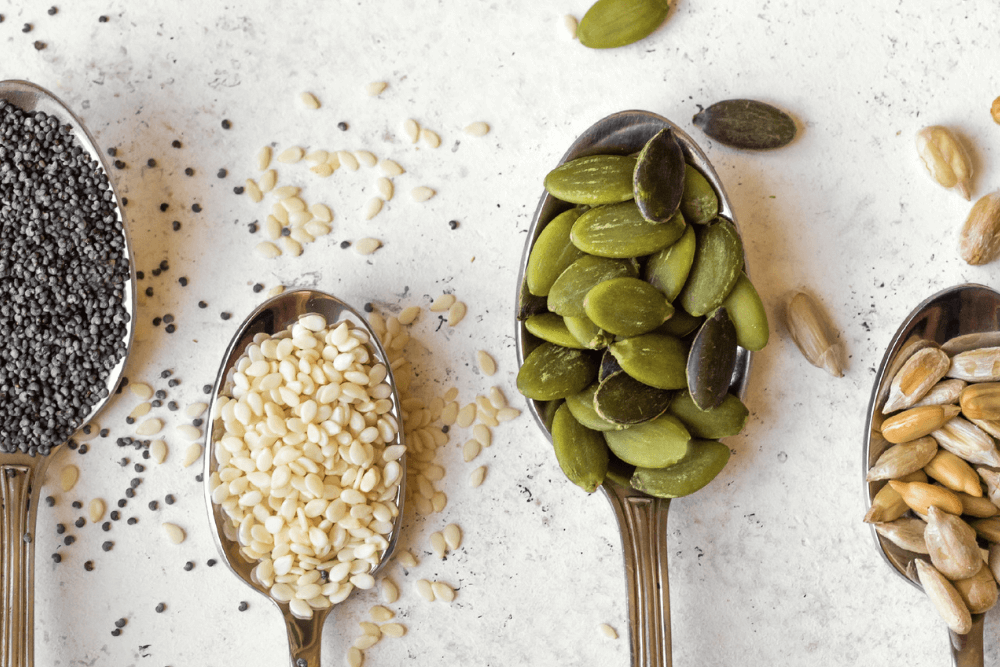
Seeds may be small, but nutritionally, they are some of the most powerful foods you can eat. A seed is a plant’s survival system—it contains everything needed to grow an entirely new life. That same concentrated design makes seeds exceptionally rich in fiber, healthy fats, minerals, antioxidants, and protective plant compounds.
Across ancient cultures, seeds were prized not as garnish, but as medicine and sustenance. From Ayurvedic tonics to Mediterranean staples and Indigenous food traditions, seeds have long been associated with strength, fertility, endurance, and longevity.
Here are ten of the healthiest seeds you can eat today, blending modern nutritional science with time-tested traditional wisdom.
1. Chia Seeds
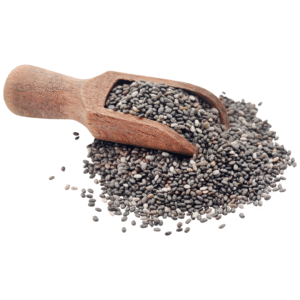 Chia seeds were a staple food of the Aztecs and Mayans, who relied on them for endurance and sustained energy. In fact, the word “chia” is believed to mean “strength.” These tiny seeds can absorb many times their weight in liquid, forming a gel that supports digestion and satiety.
Nutritionally, chia seeds are rich in omega-3 fatty acids, soluble fiber, calcium, magnesium, and antioxidants. They are especially supportive of blood sugar balance, gut health, and cardiovascular function. Because they swell when hydrated, chia seeds are best consumed soaked—in puddings, overnight oats, or stirred into smoothies.
2. Flax Seeds
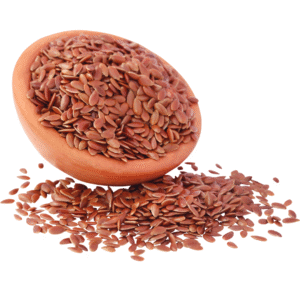 Flax seeds have been used for thousands of years in both food and medicine, with references appearing in ancient Egyptian and Greek texts. They are one of the richest plant sources of lignans, unique polyphenols that support hormonal balance and cardiovascular health.
Flax seeds are also high in omega-3 fats and fiber, making them especially beneficial for digestion and metabolic health. For best absorption, flax seeds should be freshly ground before eating, as whole seeds often pass through the digestive tract intact. Ground flax blends easily into oatmeal, yogurt, and baked goods.
3. Pumpkin Seeds (Pepitas)
Pumpkin seeds were valued by Indigenous cultures of the Americas long before pumpkins became seasonal decorations. These seeds are particularly rich in magnesium, zinc, iron, and plant-based protein.
They support immune health, muscle function, sleep quality, and prostate health. Pumpkin seeds also contain compounds that support healthy inflammation response. Lightly roasting them enhances flavor, but raw or gently toasted seeds retain the most nutrients.
4. Sesame Seeds
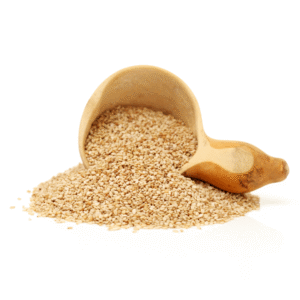 Sesame seeds are among the oldest cultivated seeds in human history, mentioned in ancient Babylonian and Assyrian texts. In traditional systems, sesame was considered deeply nourishing and grounding.
These seeds are rich in calcium, copper, manganese, and unique antioxidants known as sesamin and sesamolin, which support cardiovascular and liver health. Tahini, a paste made from ground sesame seeds, is one of the most digestible and versatile ways to enjoy their benefits.
5. Sunflower Seeds
Sunflower seeds were used by Native American tribes as both food and medicine. They are particularly high in vitamin E, a powerful antioxidant that helps protect cells from oxidative stress.
They also provide selenium, healthy fats, and plant-based protein, supporting skin health, immune function, and heart health. Sunflower seeds are best consumed raw or lightly roasted without refined oils.
6. Hemp Seeds
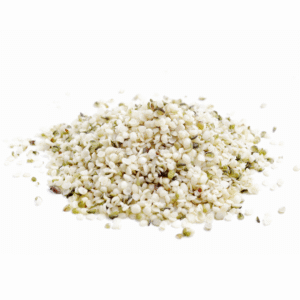 Hemp seeds have been cultivated for thousands of years in Asia and the Middle East. Nutritionally, they are unique among seeds because they provide a complete amino acid profile, making them a rare complete plant protein.
They are also rich in omega-3 and omega-6 fatty acids in an ideal ratio, supporting hormonal balance, brain health, and inflammation control. Hemp seeds are soft, mild, and easy to digest, making them perfect for sprinkling over salads, blending into smoothies, or stirring into yogurt.
7. Black Cumin Seeds (Nigella sativa)
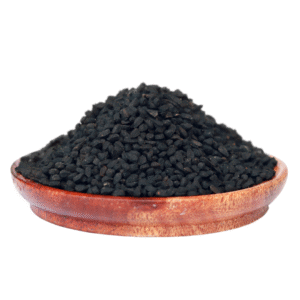 Black cumin seeds have an almost legendary reputation in traditional medicine. Ancient texts from Egypt, the Middle East, and South Asia refer to them as a remedy for “everything but death.”
Modern research has validated many of these traditional uses, showing that black cumin seeds support immune health, inflammation balance, metabolic function, and respiratory health. They contain a potent compound called thymoquinone, which has strong antioxidant properties. Black cumin seeds are commonly consumed as oil, ground spice, or added to breads and savory dishes.
8. Fenugreek Seeds
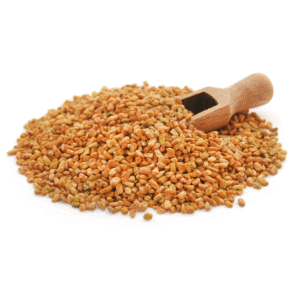 Fenugreek seeds have been used for centuries in Ayurvedic and Middle Eastern traditions, particularly for digestive and metabolic support. They have a slightly bitter flavor and become gelatinous when soaked.
These seeds are rich in soluble fiber and compounds that support blood sugar balance, appetite regulation, and healthy digestion. Fenugreek seeds are often soaked, sprouted, or brewed into tea to improve digestibility.
9. Pomegranate Seeds (Arils)
While often thought of simply as fruit, pomegranate seeds deserve recognition for their dense concentration of polyphenols. Pomegranates were revered in ancient Persia and the Mediterranean as symbols of vitality, fertility, and renewal.
The seeds contain powerful antioxidants that support cardiovascular health and cellular protection. They are best enjoyed fresh, sprinkled over salads or yogurt, or gently juiced.
10. Watermelon Seeds
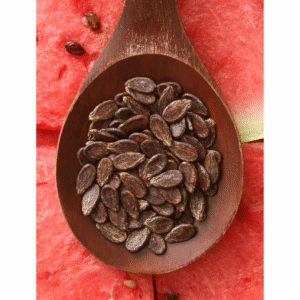 Often discarded, watermelon seeds are surprisingly nutritious. Traditionally eaten roasted in parts of Africa and Asia, they provide magnesium, iron, zinc, and healthy fats.
When sprouted or lightly roasted, watermelon seeds support energy production and muscle function. They can also be ground into seed butter or flour for a more versatile use.
Key Takeaways on Seeds and Health
Seeds are best thought of as nutritional concentrates rather than fillers. Rotating different types of seeds ensures a broader intake of minerals, healthy fats, and antioxidants. Preparation matters—soaking, sprouting, or grinding often improves digestibility and nutrient absorption. Even small daily amounts can make a meaningful difference over time.
Tiny as they are, seeds have sustained civilizations, fueled warriors, and supported longevity for thousands of years. Adding a variety of them to your routine is one of the simplest, most ancient, and most effective ways to nourish your body for long-term health.
Next Up: How to Harness Nature’s Top Age-Defying Seeds for Radiant Skin
 Seeds are designed to protect life. Inside each one is a concentrated package of essential fatty acids, antioxidants, minerals, and protective compounds. And when those same seed oils are used correctly in skincare, they can help protect, nourish, and restore the appearance of your skin in much the same way.
That’s exactly the philosophy behind Purity Woods’ Pur-Radiance Facial Cleanser.
Unlike conventional cleansers that strip the skin and disrupt its natural barrier, Pur-Radiance is powered by carefully selected seed oils that cleanse while supporting firmness, elasticity, and glow.
It contains jojoba seed oil, which closely mimics your skin’s own natural oils. This helps dissolve buildup and impurities without over-drying, leaving skin feeling balanced and comfortable rather than tight.
It includes pumpkin seed oil, a nutrient-dense oil rich in zinc, antioxidants, and essential fatty acids that help support the appearance of smooth, resilient-looking skin.
It features sunflower seed oil, high in vitamin E and barrier-supportive compounds that help protect against environmental stress while maintaining softness.
And it contains camellia seed oil, prized for centuries in Japanese beauty rituals. Often associated with the luminous complexions of geishas, camellia oil is lightweight yet deeply nourishing, helping skin appear supple, hydrated, and refined.
Together, these seed oils transform cleansing from a harsh, stripping step into a deeply supportive ritual. Instead of removing your skin’s protective barrier, this formula works with it, helping your complexion look brighter, smoother, and more radiant over time.