


There’s a reason certain remedies seem to resurface across generations, cultures, and even continents.
They tend to work with the body, not against it. They are simple enough to stick with, yet powerful enough to notice over time.
And often, they begin not in a lab, but in a quiet moment when someone shares something that helped them feel better.
Essiac tea is one of those remedies.
Over the years, it has quietly built a loyal following among people looking for a more natural, consistent way to support their health.
So what exactly is Essiac tea, and why are so many people turning to it today?
A Blend Built on Synergy, Not Just Ingredients
 Essiac tea is not just another herbal drink. What makes it different is not any single ingredient. It is the combination.
Essiac is traditionally made from eight different herbs, including burdock root, sheep sorrel, slippery elm bark, and Turkish rhubarb root, along with several others that have been used in herbal practices for generations.
Each of these plants brings something unique to the table.
But the real value comes from how they work together.
This synergy shows up again and again in nature. One ingredient supports another. One enhances absorption. One helps balance the effects of the rest.
It is not about more ingredients. It is about the right ones, in the right combination.
Why Essiac Tea Is Gaining Attention Again
In today’s world, people are overwhelmed with options when it comes to health. Complicated routines. Expensive protocols. Endless supplements.
And yet, more and more people are starting to ask a different question:
What is something simple I can do every day that actually supports my body?
That is where Essiac tea fits in.
It does not require a complete lifestyle overhaul. It becomes something you return to daily, like a small investment in your long-term well-being.
The 8 Herbs Inside Essiac Tea and What Each One Supports
What makes Essiac tea so unique is not just that it contains multiple ingredients. It is that each herb has its own long history of traditional use, and each one plays a slightly different role.
When combined, they create a kind of layered, full-body support that is difficult to replicate with any single ingredient alone.
Let’s take a closer look at what’s inside.
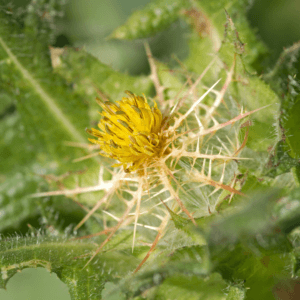 Blessed Thistle: A Time-Tested Digestive Herb
Blessed thistle (Cnicus benedictus) has been used for centuries in traditional European herbal medicine, especially as a bitter tonic to support appetite and digestion.
Modern analyses of the plant show it contains a wide range of bioactive compounds, including flavonoids, lignans, tannins, and sesquiterpene lactones such as cnicin, which are believed to contribute to its biological activity. Blessed thistle is celebrated for its antioxidant, antimicrobial, and anti-inflammatory properties, and has been used for centuries to support liver function and digestive processes.
More recent research has begun to explore specific mechanisms behind these effects. Laboratory studies have found that extracts of blessed thistle exhibit antioxidant activity and may influence inflammatory pathways, while other research has demonstrated antibacterial effects against certain harmful gut microbes without negatively impacting beneficial bacteria.
Emerging preclinical work on cnicin, one of its primary compounds, suggests potential roles in areas such as nerve regeneration and cellular signaling.
In Essiac tea, it helps “set the stage” for how your body processes everything else.
Burdock Root: A Traditional Detox Supporter
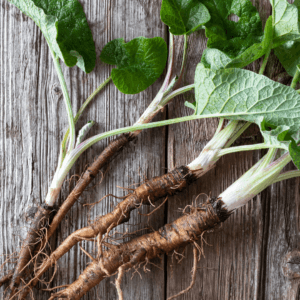 Burdock root (Arctium lappa) has a long history of use in traditional herbal systems, particularly for supporting the body’s natural detoxification processes and overall vitality. Modern research helps explain why it has remained so widely used.
The root contains a variety of bioactive compounds, including phenolic acids, lignans, and inulin, a type of prebiotic fiber that can support gut health. Scientific reviews have highlighted burdock root’s antioxidant activity, noting its ability to help neutralize free radicals and support the body’s normal protective systems at the cellular level. These antioxidant effects are considered one of the primary ways burdock contributes to overall health support.
Burdock root has also been shown to support liver function and help the body process and eliminate unwanted substances.
It’s one of the key herbs that gives Essiac its reputation for internal “clean support.”
 Kelp: A Mineral-Rich Sea Vegetable
Kelp, a type of brown seaweed, is one of the most concentrated natural sources of iodine, a mineral that is essential for normal thyroid function.
The thyroid relies on iodine to produce hormones that regulate metabolism, hormone production, energy levels, and many other core processes in the body. In a world where many people are mineral-deficient, kelp helps fill an often-overlooked gap.
Beyond iodine, kelp has also attracted research interest for its broader metabolic and antioxidant properties. Brown seaweeds contain unique compounds such as fucoidan and polyphenols, which have been praised for their antioxidant and anti-inflammatory activity. These compounds can help improve blood sugar regulation and metabolism.
Red Clover: Plant Compounds for Whole-Body Balance
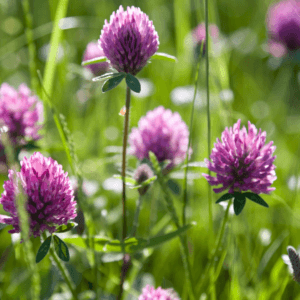
Red clover (Trifolium pratense) is a flowering plant rich in naturally occurring isoflavones, plant compounds that have been widely studied for their effects on cardiovascular and hormonal health.
Multiple human clinical trials have shown that red clover isoflavones may help support vascular function, including improvements in arterial compliance, an important marker of cardiovascular health.
Red clover has also been studied for its role in supporting hormonal balance, particularly in midlife and postmenopausal women. Clinical trials suggest red clover can help relieve symptoms related to hormonal changes.
Sheep Sorrel: A Nutrient-Dense Herbal Green
Sheep sorrel (Rumex acetosella) is a leafy herb that has been used in traditional herbal practices for generations, often as a source of plant-based nutrients.
Sheep sorrel contains a wide range of bioactive compounds, including flavonoids, tannins, anthraquinones, and phenolic acids. These compounds are known for their antioxidant properties, and laboratory studies have demonstrated that extracts of Rumex acetosella exhibit measurable free radical scavenging activity. This antioxidant capacity is one of the main reasons sheep sorrel continues to attract scientific interest.
In Essiac tea, it contributes to the blend’s broad nutritional foundation.
Slippery Elm Bark: Soothing Support for the Gut
Slippery elm bark (Ulmus rubra) is best known for its soothing, coating properties.
When mixed with water, it forms a gel-like consistency that has traditionally been used to calm and protect the digestive tract.
More recent research has begun to explore how slippery elm may interact with the gut environment beyond its soothing effects. Laboratory and in vitro studies have shown that slippery elm can enhance microbial activity and may support beneficial gut bacteria, suggesting a potential prebiotic-like effect.
Turkish Rhubarb Root: Gentle Digestive Balance
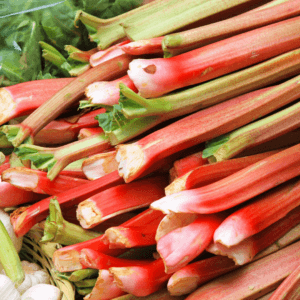
Turkish rhubarb (Rheum palmatum and related species) has been used for centuries in traditional herbal systems, particularly in Asia and Europe, where it was valued for supporting digestion and regularity.
The root contains a range of bioactive compounds, including anthraquinones such as emodin and rhein, which have been studied for their effects on intestinal motility and gut function. These compounds are believed to influence how the digestive tract moves and processes contents, which helps explain rhubarb’s long-standing use in herbal preparations aimed at supporting digestive balance.
More recently, scientific research has begun to explore rhubarb’s interaction with the gut microbiome. In a randomized, placebo-controlled human study, rhubarb extract was shown to influence gut microbial composition and was associated with improvements in bowel function in adults experiencing occasional constipation.
Watercress: A Concentrated Source of Antioxidants
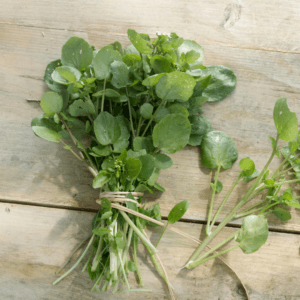
Watercress (Nasturtium officinale) is a leafy green that stands out not just for its nutrient density, but for the depth of research behind it.
It contains a wide range of bioactive compounds, including vitamin C, beta-carotene, and glucosinolates, which are converted in the body into isothiocyanates. These compounds have been studied for their antioxidant activity and their ability to help protect cells from oxidative stress.
In a controlled human study, consumption of watercress was shown to significantly increase antioxidant levels in the blood and reduce markers of DNA damage, suggesting a measurable impact on cellular protection in otherwise healthy adults.
Beyond its antioxidant effects, watercress has also been studied for its potential role in supporting cardiovascular health. Research on cruciferous vegetables, including watercress, suggests that their phytochemical profile may help support vascular function and overall heart health, in part through their effects on oxidative balance and inflammation pathways.
Why Not All Essiac Tea Is the Same
One important detail that often gets overlooked is that not every Essiac tea on the market uses the same formulation. Some versions contain only four herbs. However, the full, traditional blend includes all eight, offering a broader spectrum of plant compounds and a more complete approach to support.
There’s also a difference in how the tea is prepared. Many standard teas involve steeping a bag and discarding the plant material. But some preparations use finely powdered herbs, allowing you to consume the full spectrum of the plant, not just what diffuses into the water.
It’s a small detail, but one that can make a meaningful difference.
Top Recommendation: Genuine Essiac Tea
 If you’re considering adding Essiac tea to your routine, our recommendation is Genuine Essiac™, which uses the full 8-herb blend and follows a preparation method that includes the whole powdered herbs.
That means you’re not just drinking an infusion. You’re getting the full plant material as part of the experience.
Genuine Essiac Tea is made with carefully sourced herbs and prepared without unnecessary additives, dyes, preservatives, or microplastic-laden tea bags.
It’s simple to prepare, costs about $1 per day to use, and is backed by a 6-month money-back guarantee.
You can learn more or try it here.
Thank you for this well-explained article. I have taken Essiac tea in the past and I am just restarting again so it is great to have this information. I benefitted from it in the past and I hope it will continue to improve my health!
Thank you for the reminder 🙂.
Thank you for pointing out the various types of Issaic Tea available in health stores. I will try out the original concoction shortly.
Much appreciated for all other good articles produced and shared through your diligent work.
Olga
I haven’t heard Essiac tea mentioned for a long time. It has many uses. I cannot remember if it’s been used for cancer. I know someone who is fighting throat cancer for the thiird or fourth time. I wondered if it would be good for him.
It was presented to Rene Caisse, a Canadian nurse in Ontario, by an indigenous medical healer. She used it for many years, healing people the medical establishment at the time had classified as terminal with basically no options. Some of those so diagnosed lived for decades after she helped them with Essiac tea. Once she passed away, the ‘authorities’ destroyed all her records.
I learned about her years ago and was totally dismayed as I lost a friend to bone cancer. We lived in Ontario. Rene Caisse was still alive at that time and only a few hours’ drive away from us. No one told my friend that there was even a remote chance of a natural health opportunity available to him… No, they did two amputation surgeries and chemotherapy until he passed away, leaving behind a wife and a young daughter.
My brother drinks this tea all the time since he was diagnosed with prostate cancer. He did have surgery but no chemo or radiation and his tests have all been negative and that was two years ago. I just wish I’d known about this brand of tea with all the herbs to help my Dad with esophageal cancer. He didn’t do chemo or radiation either. The tea I got him didn’t have all the herbs and didn’t help him at all and he died a few months later.
informative article. i do have essiac tea. i need to check for 4 or 8 ingredients
Dear Brian, Thank you for another informative and wise recommendation. I love your articles. I live in South Africa and would love to order through you, but the customs authorities here really hit us hard with import duties. I am usually able to track down a supplier in this country. I wouldn’t do so though without the fabulous health advice which you give us readers. Thsnk you once again. Kind regards from Centurion, South Africa.
New to me and I am thankful for this information!
As always, well written and easy to understand. Thank you for the service you provide in making health related information available!
wonderful tea I discovered it over 30 years ago. it is very good for pain , and tumors.
Thank you for this information on Essiac tea, I have been reading about it and this article breaks it down as to the herbs and
What they do for our body
Thank you for the very informative article. I have known about the health benefits of each herb. I was exited to see them all put into a tea, like a small group of familiar friends at a garden party raising teacups in a toast to good health.
Thank you Brian for providing this article on Essiac tea. This information is new to me. The herbs all sound healing and I am very interested in trying it. I am currently drinking ginger tumeric tea in the evening and I would include this tea as an evening alternative.