

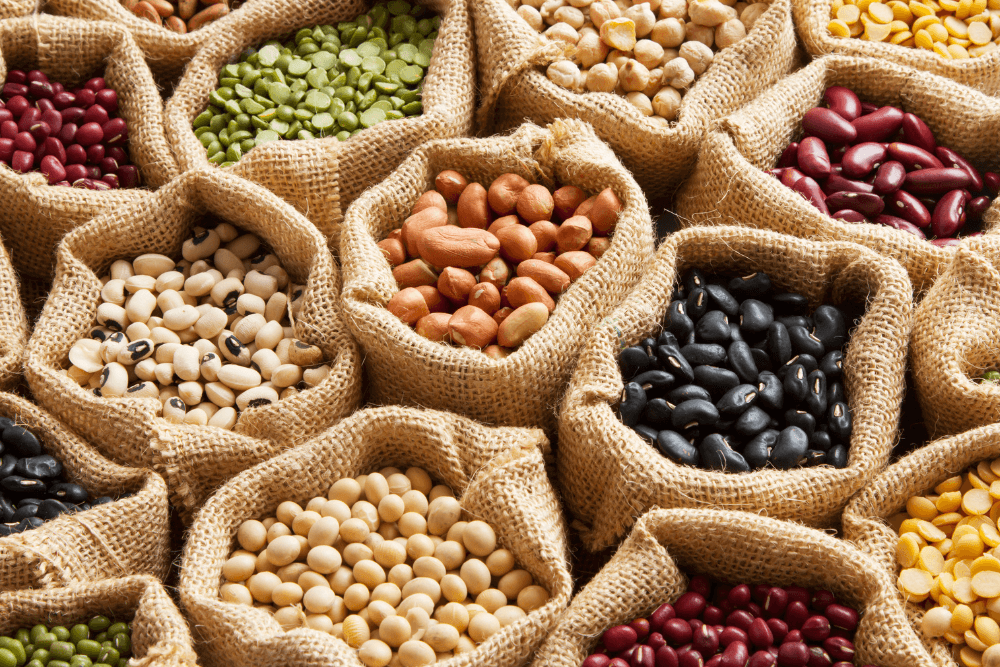
Legumes have nourished human civilizations for thousands of years. Long before refined grains and ultra-processed foods entered the picture, beans, lentils, and peas formed the backbone of traditional diets associated with strength, endurance, and remarkable longevity.
What makes legumes so powerful is their unique nutritional profile. They combine plant-based protein, slow-digesting carbohydrates, fiber, minerals, and protective phytonutrients in a way few other foods can. They support stable blood sugar, heart health, gut health, and metabolic resilience—key pillars of healthy aging.
Below are ten of the healthiest legumes in the world, drawing from both modern nutrition science and traditional food wisdom.
1. Lentils
 The everyday longevity staple
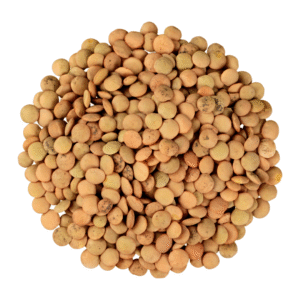
Lentils have been cultivated for more than 8,000 years and remain a cornerstone of Mediterranean, Middle Eastern, and Indian diets. They are especially rich in folate, iron, potassium, and polyphenols, while also providing an impressive amount of protein and fiber for their size.
Because lentils cook quickly and don’t require soaking, they are one of the easiest legumes to use regularly. Their slow-digesting carbohydrates help support steady energy and balanced blood sugar, making them ideal for long-term metabolic health. Red, green, and black lentils all offer slightly different textures and antioxidant profiles, making rotation beneficial.
2. Chickpeas (Garbanzo Beans)
 Versatile and deeply nourishing
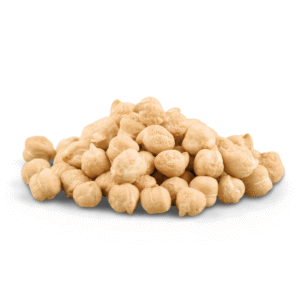
Chickpeas have been eaten since ancient times in the Middle East and Mediterranean and remain one of the most widely consumed legumes in the world. They are rich in fiber, manganese, folate, and plant protein, and they support gut health through their prebiotic effects.
Chickpeas are especially notable for their ability to promote satiety, helping people feel full and satisfied after meals. They can be used whole, mashed into spreads like hummus, roasted for snacks, or blended into soups and stews.
3. Black Beans
 Fiber-rich and heart-supportive
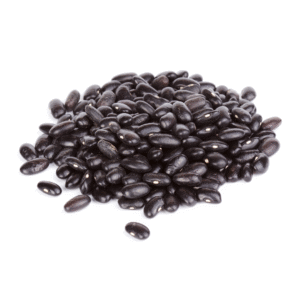
Black beans have long been a staple in Latin American cuisine and are prized for both their flavor and health benefits. Their dark color comes from anthocyanins, the same antioxidant compounds found in blueberries.
They are particularly supportive of cardiovascular health due to their combination of soluble fiber, magnesium, and potassium. Black beans also support gut health and healthy cholesterol levels, making them a powerful yet affordable longevity food.
4. Kidney Beans
Robust, filling, and mineral-rich
Kidney beans are known for their hearty texture and ability to anchor satisfying meals. Nutritionally, they provide iron, potassium, magnesium, and resistant starch, which feeds beneficial gut bacteria.
When properly cooked, kidney beans support blood sugar balance and digestive health. They are commonly used in soups, stews, and slow-cooked dishes where their dense structure shines.
5. White Beans (Cannellini, Navy, Great Northern)
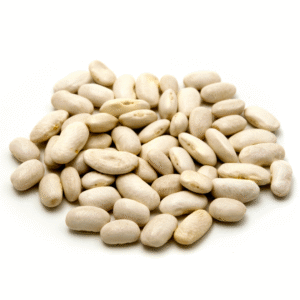 Gentle, creamy, and deeply satisfying
White beans are especially popular in Mediterranean diets, where they are often confirmed as a longevity-supportive food. They are rich in magnesium, calcium, iron, and soluble fiber, which supports heart health and digestive regularity.
Their mild flavor makes them incredibly versatile. White beans can be blended into creamy soups, mashed into spreads, or added to salads without overpowering other ingredients. They are also easier to digest for many people compared to darker beans.
6. Mung Beans
Light, detoxifying, and gut-friendly
Mung beans have been used for centuries in Ayurvedic and Traditional Chinese Medicine. They are considered cooling, gentle, and cleansing, often recommended during times of digestive stress.
They are rich in protein, folate, magnesium, and antioxidants, and they are particularly easy to digest when cooked well. Mung beans are commonly used in soups, dals, and sprouted preparations, which further enhance their nutritional value.
7. Adzuki Beans
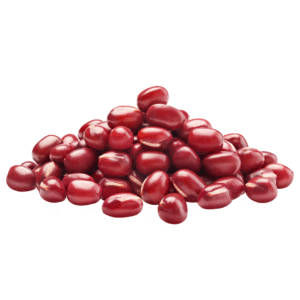 Small beans with big metabolic benefits
Adzuki beans are a staple in East Asian cuisine and are traditionally associated with digestive and kidney support. They contain high levels of fiber, potassium, zinc, and polyphenols.
These beans have a naturally mild sweetness and are often used in both savory dishes and lightly sweet preparations. Their fiber content helps support blood sugar balance and gut health, making them especially valuable for long-term metabolic resilience.
8. Lupini Beans
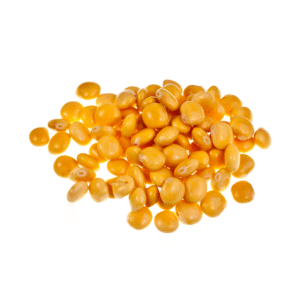 One of the highest-protein legumes
Lupini beans have been eaten in Mediterranean cultures for thousands of years and are gaining renewed attention for their impressive protein content. They are also extremely low in starch compared to most legumes, making them unique.
They support satiety, muscle maintenance, glucose metabolism, and stable energy levels. Traditionally, lupini beans are soaked and brined to remove bitterness, then eaten as a snack or added to salads.
9. Split Peas
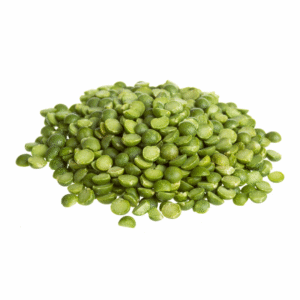 Comforting and quietly powerful
Split peas have been a staple in traditional European and Middle Eastern cooking, especially in soups. They are rich in fiber, protein, iron, and B vitamins, while also being easy to digest when fully cooked.
Their slow energy release supports blood sugar stability, and their thick, creamy texture makes them ideal for nourishing, simple meals during colder months.
10. Soybeans (Edamame, Tempeh, Natto)
The most studied legume in the world
Soybeans are unique among legumes because they contain all essential amino acids, making them a complete plant protein. Traditional soy foods such as edamame, tempeh, miso, and natto have been consumed for centuries in Asian cultures with exceptional longevity.
Fermented soy foods, in particular, support gut health and nutrient absorption. When consumed in traditional, minimally processed forms, soybeans can be a valuable part of a healthy aging diet.
Why Legumes Matter for Healthy Aging
Legumes consistently appear in the world’s longest-lived populations, from the Mediterranean to Okinawa to Central America. Their combination of fiber, protein, minerals, and slow-burning carbohydrates supports nearly every system involved in aging well.
They nourish the gut microbiome, stabilize blood sugar, support cardiovascular health, and help maintain lean muscle mass over time. Just as importantly, they are affordable, accessible, and deeply satisfying.
If there is one food group that quietly supports longevity day after day, it is legumes