

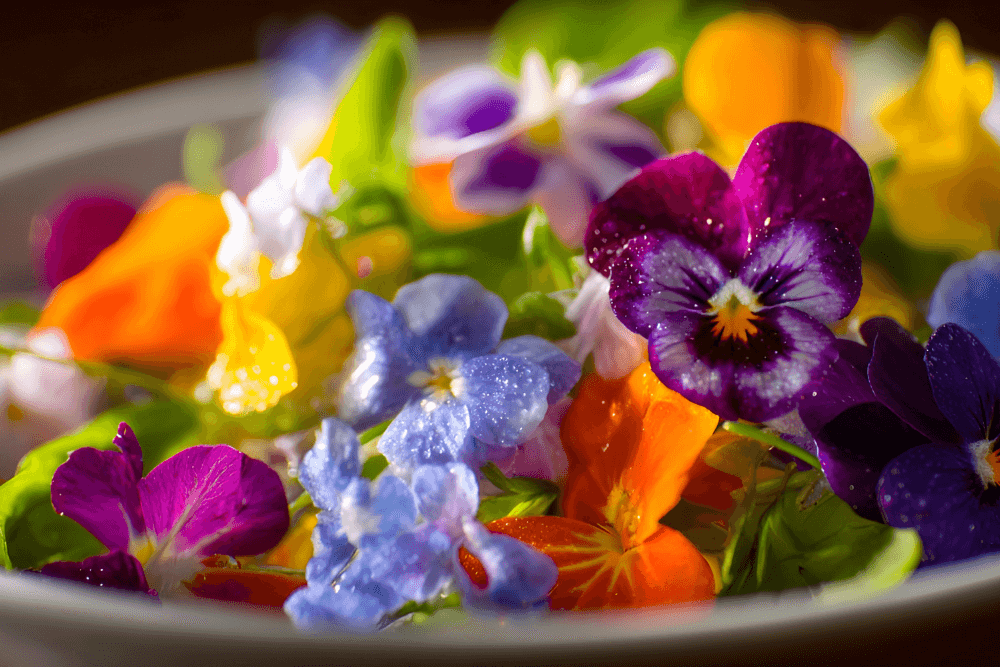
For most of history, flowers weren’t just admired. They were eaten.
Across the Mediterranean, Asia, the Middle East, and the Americas, flowers were valued not only for beauty and fragrance, but for their remarkable nutritional and medicinal properties. Many are rich in antioxidants, flavonoids, vitamin C, carotenoids, and calming or circulation-supportive compounds.
And today, science is catching up with what traditional cultures already knew.
Here are some of the world’s most nutritious edible flowers, what they taste like, how to use them beyond tea, and which varieties you can easily grow yourself.
Nasturtiums
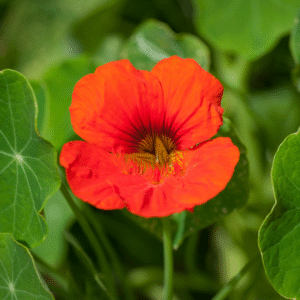
Peppery, bright, and surprisingly powerful, nasturtiums are one of the most nutritionally impressive edible flowers you can easily grow at home. Both the flowers and leaves are edible, and their flavor is bold and reminiscent of watercress or arugula.
Nutritionally, nasturtiums are rich in vitamin C and contain naturally occurring antimicrobial compounds that were historically used to support immune and respiratory health. In traditional herbal practices, they were sometimes used to help the body resist infection.
In the kitchen, nasturtium petals add color and a spicy kick to salads, grain bowls, and sandwiches. The leaves can be blended into pesto, and the seed pods are sometimes pickled and used as a caper substitute. Jewel Mix and Alaska varieties are particularly easy to grow and thrive even in poor soil.
Hibiscus
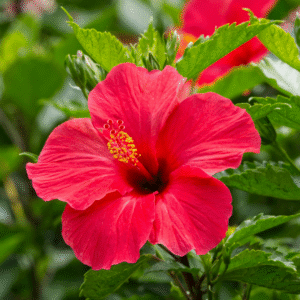 Tart, ruby-red, and heart-supportive, hibiscus flowers are best known for tea, but their nutritional value goes far beyond a refreshing drink.
They are exceptionally rich in anthocyanins and polyphenols, compounds linked to cardiovascular health, healthy blood pressure, and cholesterol balance.
The flavor of hibiscus is distinctly tart, similar to cranberry or pomegranate. While tea is the most common use, hibiscus petals can also be simmered into syrups, jellies, and reductions. These can be drizzled over fruit, mixed into sparkling water, or used to flavor homemade popsicles.
Hibiscus sabdariffa is the primary edible variety and grows well in warm climates with plenty of sunlight.
Calendula (Marigold)
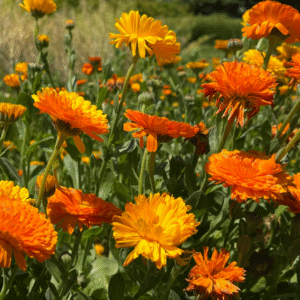 Golden petals with skin and eye benefits, calendula has been used for centuries in European and Mediterranean traditions, both internally and externally. Its bright orange and yellow petals are rich in carotenoids, including lutein, which supports eye health and cellular protection.
The flavor of calendula is mild, slightly earthy, and gently bitter. Because of its color, it has earned the nickname “poor man’s saffron.” The petals can be sprinkled into soups, stirred into rice, added to scrambled eggs, or infused into oils.
Calendula officinalis is the most widely used culinary and medicinal variety and is also well known for its soothing effects on the skin.
Violets & Pansies
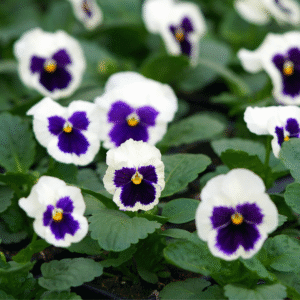 Delicate, sweet, and antioxidant-rich, violets and pansies are often used for decoration, but they are nutritionally meaningful as well. They contain vitamins A and C, along with antioxidant compounds that support cellular health.
Their flavor is subtle and slightly sweet, making them ideal for fresh preparations. They are commonly used to decorate salads, desserts, and cakes, or frozen into ice cubes for a visually striking addition to drinks.
Violets have also been used historically in syrups and lozenges to soothe the throat. Viola odorata and edible pansy varieties are easy to grow and do well in cooler weather.
Lavender
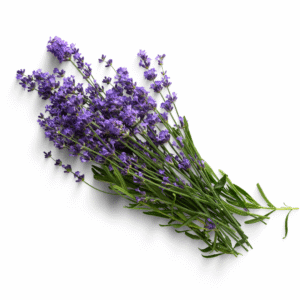 Floral, calming, and digestive-supportive, lavender is one of the most recognizable edible flowers, though it must be used sparingly. Its flavor is floral and slightly herbal, and when overused, it can become soapy.
Traditionally, lavender was used to support digestion, relaxation, and emotional balance. It contains antioxidant compounds and trace minerals, and its calming effects are well-documented.
Culinary lavender pairs beautifully with lemon, berries, and honey. It can be infused into honey, blended into baked goods, steeped into tea, or used in small amounts in savory dishes. Lavandula angustifolia is the preferred variety for culinary use.
Roses
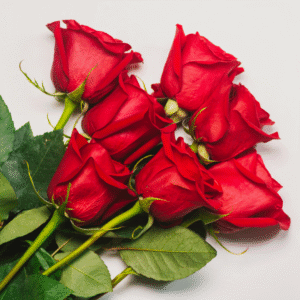 All rose petals are technically edible, though flavor varies from mildly sweet to intensely floral. Rose petals contain vitamin C, vitamin E, and antioxidant compounds.
They can be infused into water, made into rose syrup, blended into jams, or dried for tea. Rosewater is a traditional ingredient in Middle Eastern and Indian cuisine.
Rosa rugosa and heirloom garden roses tend to have the strongest flavor and highest fragrance.
And don’t forget rose hips, the fruit of the rose plant. They are among the richest natural sources of vitamin C and have been traditionally used to support immunity and skin health.
Squash Blossoms
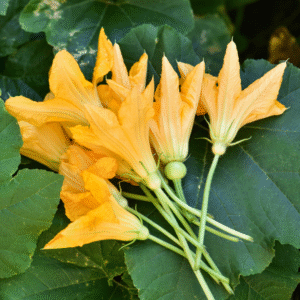 Delicate and nutrient-dense, squash blossoms are prized in Mediterranean and Latin American cuisines. Their flavor is mild, lightly sweet, and vegetal, making them easy to incorporate into both simple and elegant dishes.
They provide vitamin C, beta-carotene, and antioxidants. Squash blossoms are most often stuffed and lightly sautéed, but they can also be sliced into soups, folded into omelets, or added to pasta dishes.
Zucchini blossoms are the most commonly used variety and are easy to harvest from home gardens during the summer months.
Borage
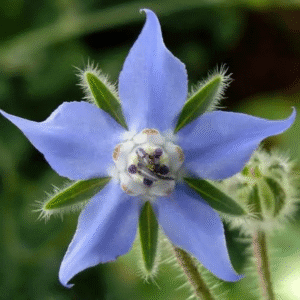 Borage flowers are instantly recognizable by their bright blue, star-shaped petals. They have a refreshing cucumber-like flavor and were traditionally used to uplift mood and support vitality.
Borage flowers contain trace minerals and beneficial plant compounds. They are commonly added fresh to salads, used as garnish, or floated in drinks such as lemonade or sparkling water.
Borago officinalis grows easily, reseeds itself readily, and is a favorite among pollinators.
Chamomile
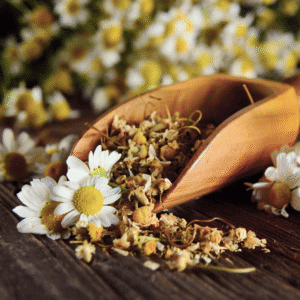
Gentle, soothing, and deeply restorative, chamomile is one of the most widely used medicinal flowers in the world. It contains apigenin and other antioxidant compounds that support relaxation, healthy sleep, and inflammation balance.
The flavor of chamomile is mildly sweet and apple-like. While tea is the most common preparation, chamomile can also be infused into honey, syrups, or light desserts.
German chamomile is the most commonly used variety for medicinal and culinary purposes and is easy to grow in many climates.
A Special Mention: Dandelion
While most people focus on dandelion greens, which are exceptionally nutrient-dense and supportive of liver health, the yellow flowers are also edible. They can be made into fritters, fermented into wine, or infused into honey.
Taraxacum officinale is the common edible variety found throughout North America and Europe.
Simple Ways to Start Using Edible Flowers
You can begin simply by adding fresh petals to salads, blending them into herbal butters, freezing them into ice cubes, or steeping them into teas. Many edible flowers grow easily in containers, making them accessible even without a full garden.
As always, only consume flowers that are organically grown and clearly identified as edible.
Next Up: Why Your Skin is Craving Some Flower Power While You Sleep
 Many of the flowers we’ve discussed share something important in common. They are calming, restorative, and protective.
Those same qualities that make certain flowers powerful internally make them especially valuable for your skin, particularly at night.
While you sleep, your skin shifts into repair mode. Blood flow increases, cellular turnover accelerates, and your skin becomes more receptive to nourishment. That makes nighttime one of the most important windows for targeted botanical support.
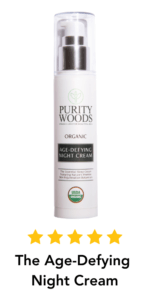
That’s exactly why Purity Woods’ Age-Defying Night Cream features flower-derived extracts like chamomile and evening primrose.
Chamomile extract is rich in soothing compounds such as apigenin and antioxidant flavonoids. Traditionally used to calm the body and promote relaxation, chamomile offers similar benefits for the skin. It helps comfort the appearance of redness, supports a calm-looking complexion, and provides antioxidant protection against environmental stress accumulated during the day.
Evening primrose extract is equally powerful. Derived from a delicate yellow flower that blooms at dusk, evening primrose is rich in essential fatty acids that help support the skin’s moisture barrier. A strong barrier is key to smoother-looking skin, improved elasticity, and a reduction in the appearance of fine lines caused by dryness. It is especially supportive for mature or dry skin that needs deeper replenishment overnight.
Together, these flower extracts help create an environment where your skin can recover, restore, and wake up looking softer, smoother, and more refreshed.
Thank You for all the wonderful information. Very needed and easily accessed. I have been using your Age Defying Night Cream for 60 days & love how smooth it has made my 80 year old skin feel. I also notice a brightening effect. I will certainly be getting another shipment. I highly recommend your natural product free of toxic chemicals!
I am always happy to read and enjoy your posts. You have so much excellent information to share. I always come away a bit smarter every time!
Los pétalos de la “Tagete Erecta” (Caléndula-Marigold) integradas en las ensaladas, a las que añadiremos unos trozos de pimiento amarillo (Luteína-Zeaxantina) + Perejil, Alcaparras (Rutina), mejorarán la visión castigada por tantas horas de lecturas en libros físicos y ebooks.
P.S. Un tip adicional, el perejil seco, a efectos de cesión de elementos fitoquímicos es 10 veces más potente que el crudo o fresco. El pimiento rojo, es 3.5 veces más potente en vitamina C que la naranja. Incorpora esta info de forma rutinaria a tu alimentación y protegerás tu vista por años.
Thanks Angel, rough translation for everyone:
Adding *Tagetes erecta* (African marigold) petals to salads—along with yellow bell pepper (lutein and zeaxanthin), parsley, and capers (rutin)—will help improve vision strained by long hours of reading, whether from physical books or e-books.
P.S. Here’s an extra tip: in terms of delivering phytochemicals, dried parsley is ten times more potent than fresh or raw parsley. Red bell pepper contains 3.5 times more vitamin C than oranges. Make this a regular part of your diet to protect your eyesight for years to come.
love your article.
Thanks for the reminder of the wonders of eating flowers. One of my favorites are the petals of the Pineapple Guava (aka Feijoa). You pick the petals and leave the base as it becomes the fruit. The petals are very sweet and taste like a tropical fruit! I always leave a bunch of them as I think it may be the petals fragrance that attracts the bees.
So wonderful to read this. Replanning our garden to have edimental planting that can manage the climate change. Perfect article to complement outlets research.
Loving these brilliant packages of information.
Great information. Thanks for sharing your knowledge
Lovely article on edible flowers – beautiful information!! Thank you – Of course, organic in all varieties – I will be growing nasturium and pansies again due to reading this> gratefully, roxanna
Dear Brian Vaszily, I am so grateful to you for this and other gifts. They are wonderful. With the most nutritious edible flowers in the world, I use many of them in my life. It really works. Wonderful flowers, I love them. Thank you very much for sharing your experience and knowledge with us.
Big thanks to you for sharing truths on the 10 amazing edible flowers! Looking forward to add those red rose flowering plants 🌹 into my front yard and dandelions in my backyard. The bees 🐝 will benefit, too.
Many thanks…your e-mails = one of my favourites.Thanks again for great education and information.
Wow, I loved reading your list of edible flowers and seeing the lovely photos!
I live in hot Florida and don’t own the lawn, so I’d grow them in pots on my terrace, but only if it has the right exposure.
I’ll research which edible flowers can thrive in this region. If none do, maybe there are food markets that sell the organic edible ones. I’d love to use them in recipes, for their beauty and nutritional benefits!
thank you for this lovely article, much appreciated