

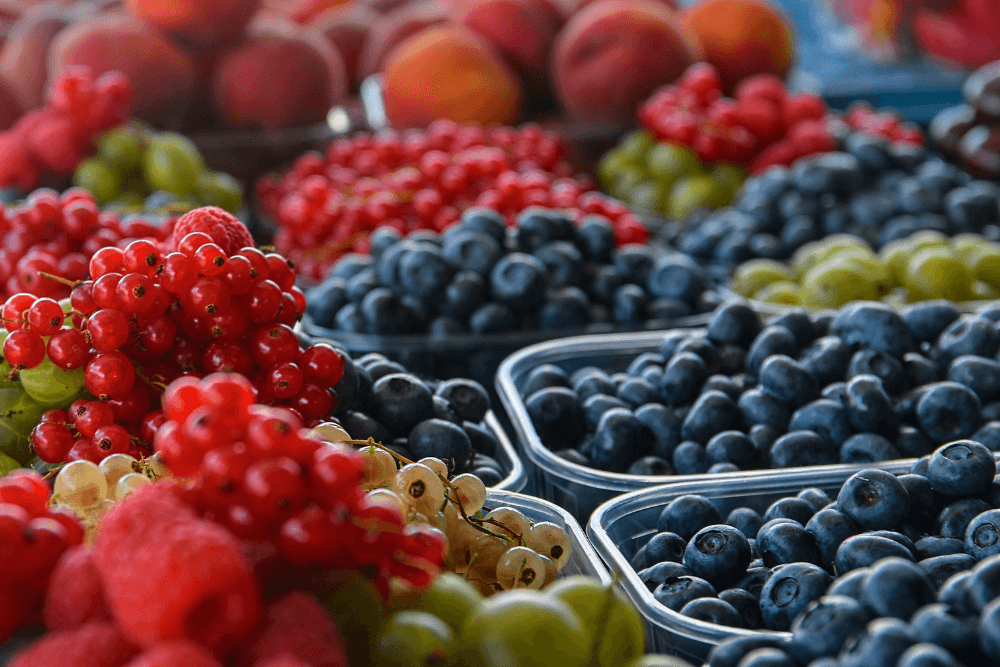
Berries are among the most nutrient-dense foods on Earth. Gram for gram, they deliver extraordinary levels of antioxidants, polyphenols, vitamins, and fiber. Modern science measures their ORAC scores and anthocyanin content, but many of these berries were treasured long before laboratories existed. Across Ayurveda, Traditional Chinese Medicine, Nordic folk traditions, and Indigenous American cultures, berries were considered protective, restorative, and even longevity-enhancing.
As with any “healthiest” list, there is some subjectivity involved. But based on nutrient density, antioxidant capacity, and documented health benefits, these twelve stand out above the rest.
1. Amla (Indian Gooseberry)
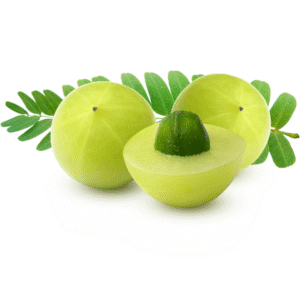 If one berry deserves the top spot, it is Amla. Known scientifically as Phyllanthus emblica, this small green fruit has been revered in Ayurvedic medicine for more than 3,000 years. Ancient texts describe it as a rejuvenating fruit capable of restoring vitality and promoting longevity. It is one of the three ingredients in Triphala, Ayurveda’s most famous longevity formula.
Amla contains an extraordinary concentration of vitamin C, often cited as twenty-five to thirty times more than oranges. What makes it even more remarkable is the stability of its vitamin C content, which does not degrade as easily as in many other fruits. Modern research links Amla to immune resilience, balanced blood sugar, and skin support.
Because it is intensely sour, few people eat it raw. It is more commonly consumed as a powder stirred into warm water, taken in capsules, or used in traditional chutneys. It is also increasingly used in advanced skincare formulations because of its antioxidant potency.
2. Blueberries
Blueberries have become synonymous with antioxidant power, and for good reason. Native American tribes referred to them as “star berries” because of the five-pointed star shape at their blossom end, and they used them both as food and medicine.
These small blue fruits are exceptionally rich in anthocyanins, the pigments responsible for their deep color. Research consistently links blueberry consumption with improved cardiovascular markers, healthier blood pressure, and better cognitive performance. They are one of the few foods repeatedly associated with slower brain aging.
They are easy to incorporate into daily life. Fresh or frozen blueberries retain their benefits, and gently warming them may even enhance the availability of certain polyphenols.
3. Black Currants
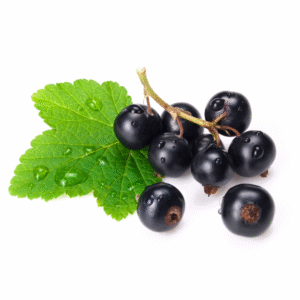 Black currants were widely cultivated in Europe and were heavily promoted in Britain during World War II when citrus imports were limited. They were used to prevent vitamin C deficiency in children.
These berries contain roughly four times the vitamin C of oranges and often surpass blueberries in anthocyanin concentration. Their anti-inflammatory and immune-supportive properties are well documented. Because they are quite tart, they are commonly consumed dried, juiced in small amounts, or as concentrated extracts.
4. Aronia Berries (Chokeberries)
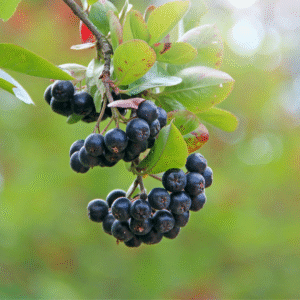 Aronia berries, sometimes called chokeberries, are among the highest-antioxidant fruits ever measured. They were traditionally used by Native American tribes and in Eastern European herbal traditions to promote endurance and resilience.
Their deep purple pigment signals a high concentration of polyphenols that support cardiovascular and metabolic health. The raw berries are very astringent, which is why they are usually consumed dried, powdered, or in extract form blended into smoothies.
5. Açaí Berries
Açaí berries come from the Amazon rainforest, where they have been a dietary staple for generations rather than a trendy superfood. Indigenous communities consumed them daily for energy and stamina.
Unlike most berries, açaí also contains healthy fats, making it nutritionally unique. Research shows these fats help support heart health and cholesterol balance. Most people consume açaí as frozen unsweetened purée or in powdered form added to smoothies.
6. Goji Berries (Wolfberries)
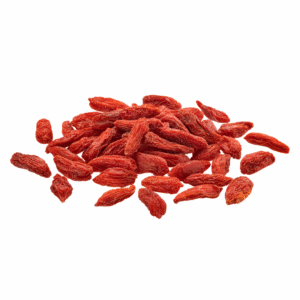 Goji berries have been used in Traditional Chinese Medicine for over two millennia. They are often associated with vitality and vision support. Ancient lore suggests they were consumed by long-lived Himalayan populations.
These bright red berries are rich in zeaxanthin, a carotenoid that supports eye health, along with vitamin A, iron, and fiber. They are most commonly eaten dried, steeped into tea, or added to soups and broths in traditional preparations.
7. Raspberries
Raspberries have long been used in European folk medicine, particularly for digestive and women’s health. Nutritionally, they are fiber powerhouses, providing around eight grams per cup.
Research shows their high fiber content supports blood sugar balance and gut health, while their vitamin C and manganese content contribute to overall antioxidant protection. Fresh or frozen raspberries are equally beneficial and can be added to yogurt, chia pudding, or oatmeal.
8. Blackberries
Blackberries have been gathered and eaten for thousands of years, often growing untended along hedgerows, forest edges, and country paths. Because they thrive without cultivation, blackberries were historically viewed as a symbol of resilience and natural strength—and nutritionally, that reputation holds up.
Their deep purple-black color comes from a high concentration of anthocyanins and other polyphenols that help protect cells from oxidative stress. These compounds are strongly associated with cardiovascular health, healthy blood vessel function, and reduced inflammation. Blackberries are also an excellent source of vitamin C, vitamin K, and manganese, nutrients that support collagen formation, bone health, and metabolic function.
9. Elderberries
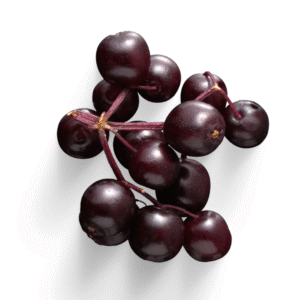 Elderberries have a long history in European folk medicine, particularly during cold and flu season. Modern research supports their traditional use, showing they may shorten the duration of upper respiratory infections.
Because raw elderberries are not recommended, they are typically consumed as cooked syrups, teas, or standardized extracts.
10. Cranberries
Cranberries were used by Native Americans for wound healing and infection support long before modern antibiotics. Today, they are most recognized for supporting urinary tract health by preventing harmful bacteria from adhering to the bladder lining.
For best results, they should be consumed unsweetened, either dried without added sugar, juiced in pure form, or taken as extract.
11. Lingonberries
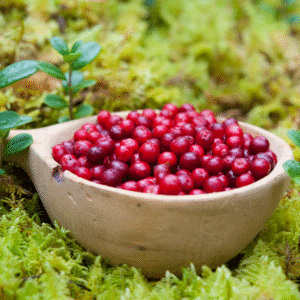 Lingonberries grow in Nordic regions and were traditionally eaten to help populations survive long winters. They are exceptionally rich in antioxidants and polyphenols, in some cases surpassing common blueberries.
They are often consumed as low-sugar preserves, frozen berries, or powdered supplements.
12. Strawberries
Strawberries remain one of America’s most popular fruits, yet they are still nutritionally impressive. They contain more vitamin C per serving than an orange and are rich in pelargonidin, an antioxidant associated with cardiovascular and cognitive support.
For maximum benefit, they are best consumed fresh and organic when possible, or frozen at peak ripeness.
Honorable Mention
Next Up: How to Harness Nature’s Most Potent Skin-Healthy Berry to Combat Wrinkles and Signs of Aging
 If you look closely at many of the world’s most powerful longevity traditions, Amla (Indian Gooseberry) consistently rises to the top. And today, modern research continues to confirm what Ayurveda taught thousands of years ago: this small fruit delivers extraordinary antioxidant protection and collagen-supportive activity.
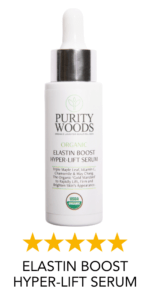
That is exactly why Amla — listed by its scientific name Phyllanthus emblica fruit extract — is a featured botanical in Purity Woods’ Elastin Boost Hyper-Lift Serum.
Amla helps visibly support smoother-looking skin, improved firmness and elasticity, and a brighter, more even appearance.
In the Elastin Boost Hyper-Lift Serum, Amla works synergistically with other powerful organic botanicals, including red maple leaf extract, which has been studied for its ability to visibly support skin firmness and resilience. Together, these ingredients help address one of the biggest concerns many women share as they age: the appearance of wrinkles, fine lines, and loss of elasticity.
If wrinkled-looking skin is a top concern for you, this serum was designed specifically for that purpose. It delivers nature’s most concentrated, research-backed botanicals in a lightweight formula that layers beautifully under your moisturizer.
Wow 🤩 thank you for sharing this about this great written by BrianVasily of these amazing nutritious 12 ANTI-aging- BERRIES !! I Will continue eat these berries more often ✅ especially adding to my home made Smoothies 💚
Great article. Thanks for sharing all this information about berries. Claudia
Wow! So many “new to me” berries to try. Thank you.
Hello Brian
This article on Berries was Berry Good I really appreciate this information and how taking different berries and not just relying on one particular fruit is much better for overall health .
Thank you Brian and God BLESS your work it is truly AMAZING my friend .
Thank you, Francisco, for the berry kind words!
Thank you 🍒🍓🍎🍑🫒🥭🍒
Amia, Chokeberries Lingo berries , which i had as a Child in my
Grandmother’s Garden.n never been sick 🍒
where can i get them in CA ?
❤️❤️🥰🌴
Thank you for mentioning so many of my favorite berries, like blueberries, acai berries, raspberries, strawberries, and lingonberries. I love them all and will enjoy them even more now.