

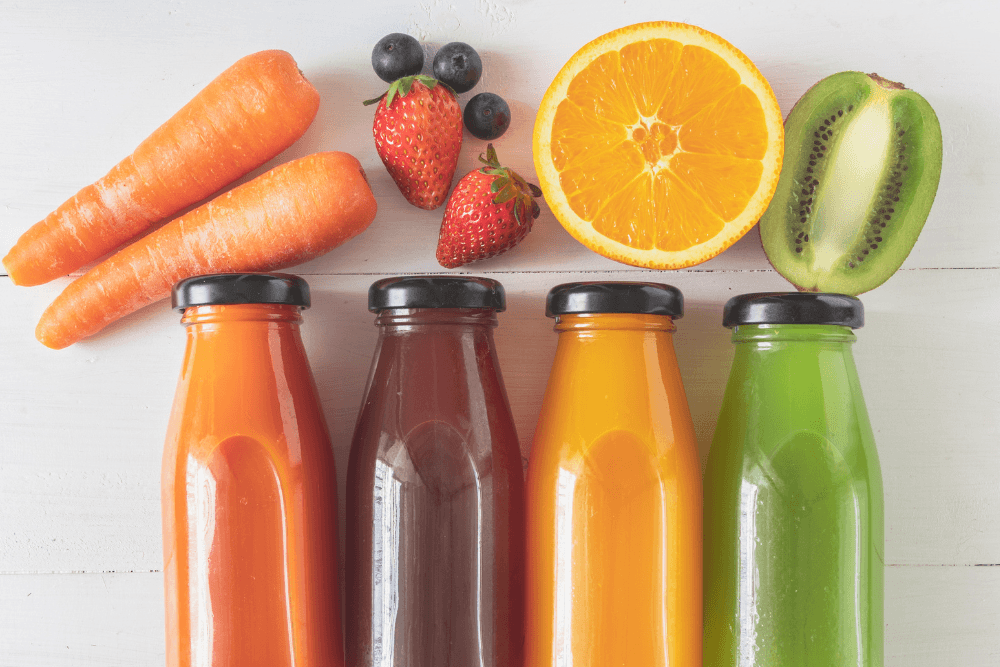
The Simple Mistake Most “Healthy” Diets Make
Chances are high that you’re falling far short of the most vital class of micronutrients out there, even if you consider yourself a healthy eater.
That might sound surprising at first…
However, if you ever experience “brain fog”… if you feel “tired all the time” and less productive than you should be… or if you suffer from any skin, joint, or other issues and you are not certain of the cause…
A lack of polyphenols, phytochemicals, and other antioxidants truly is the likely “prime suspect.”
In fact, the lack of these polyphenols, phytochemicals, and other antioxidants in our diet really is one of the biggest little-known health issues of our time.
Because when you really look at the aging process, a large part of it comes down to damage.
Your Body Is Under Attack From Free Radicals
 Every single day, your body is exposed to internal and external stressors.
Some of these come from the world around you. Environmental toxins, air pollution, UV radiation, and chemicals in food and water all contribute.
Others are produced inside your own body as a natural result of metabolism, the process that converts food into energy and keeps you alive.
All of these stressors generate unstable molecules known as free radicals.
What makes free radicals harmful is their highly reactive nature. Basically, they end up “attacking” other molecules within your body, damaging them in the process.
This damage at the cellular level is often referred to as oxidative stress. The result of accumulated oxidative stress is brain fog, accelerated aging, chronic inflammation, and a greater risk of many chronic diseases, such as heart disease.
While you can limit your exposure to external factors that cause free radical formation, antioxidants are the real key to halting their damaging effects.
They act as your body’s natural defense system, helping to neutralize free radicals before they can cause harm. The “superpower” of antioxidants is that they can donate an electron to free radicals, which essentially makes them harmless. Studies indicate that certain antioxidants may also prevent free radicals from forming in the first place.
When there is a balance of free radicals and antioxidants within your body, their harmful effects are minimal. When free radicals accumulate and/or antioxidant levels decrease, oxidative stress ensues and begins to take its toll.
Why Eating the Same Foods Isn’t Enough
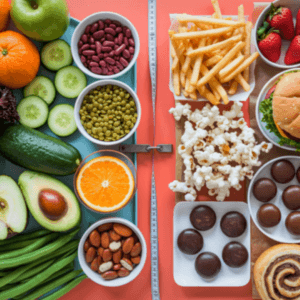 In many ways, antioxidants are one of the most important yet overlooked keys to longevity.
However, there is a deeper layer to this conversation that most people never hear:
It is not simply about getting antioxidants. It is about getting a wide variety of them.
Different antioxidants perform different functions in the body, and many of them work synergistically, meaning their combined effect is greater than what they can do individually.
When you begin to understand this, you start to see antioxidants less as a single category of nutrients and more as a diverse, highly coordinated network of protective compounds, each playing its own unique role in keeping your body resilient, energized, and functioning at its best.
For example, the deep reds and purples found in berries come from compounds called anthocyanins. They have been studied for their ability to support brain health, enhance memory, and improve circulation. Part of what makes them so powerful is their ability to cross the blood-brain barrier, where they can help protect delicate brain cells from oxidative damage.
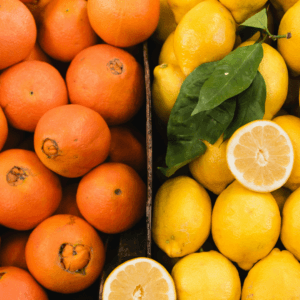 Bright orange and yellow foods like carrots and sweet potatoes contain carotenoids such as beta-carotene. Your body can convert beta-carotene into vitamin A, which plays a critical role in maintaining healthy vision, supporting immune defenses, and promoting smooth, healthy skin. But carotenoids don’t stop there. They also act as potent antioxidants in their own right, helping to protect cells from damage caused by light exposure and environmental stress.
Leafy greens introduce another layer of protection. They are rich in lutein and zeaxanthin, two antioxidants that are especially concentrated in the eyes. These compounds help filter harmful blue light and protect against oxidative stress in the retina, which is one of the reasons diets rich in leafy greens are consistently associated with better long-term eye health.
Then you have foods like tomatoes and watermelon, which contain lycopene. This antioxidant has been widely studied for its role in supporting cardiovascular health. Lycopene appears to help protect blood vessels, reduce oxidative stress, and support healthy circulation. Interestingly, it becomes even more bioavailable when tomatoes are cooked, which is a great reminder that how you prepare food can also influence the benefits you receive.
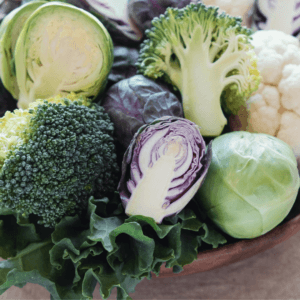 Cruciferous vegetables like broccoli, kale, and Brussels sprouts bring something entirely different to the table. They are rich in sulfur-containing compounds, such as glucosinolates, which support your body’s natural detoxification processes. These compounds help activate enzymes in the liver that assist in breaking down and eliminating toxins, adding another important layer of protection beyond simply neutralizing free radicals.
One antioxidant may neutralize a certain type of free radical, while another regenerates it so it can be used again. Some protect fat-soluble parts of the cell, while others work in water-based environments. Some act directly, while others signal your body to produce its own internal antioxidant defenses.
In other words, it’s not just about having antioxidants in your diet. It’s about having the right mix.
And that only happens when you consistently consume a wide variety of plant foods, each contributing its own unique set of protective compounds.
Because when you do, you’re not just supporting one aspect of your health.
You’re supporting all of it, at the cellular level, in a way that no single food or supplement ever could.
The 30-Plant Rule for Better Health and Longevity
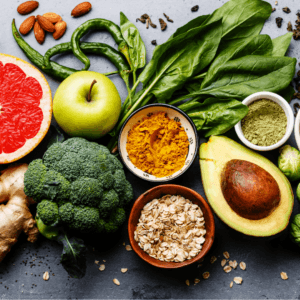 There are thousands of antioxidant compounds found across the plant kingdom, each offering slightly different benefits. Which leads to a simple but powerful realization:
You cannot get everything your body needs from eating the same few “healthy” foods over and over again.
What truly supports long-term health is variety.
In fact, emerging research continues to highlight that one of the most impactful things you can do for your overall health and longevity is to regularly consume a wide diversity of plant foods. Most dietary experts now recommend you eat at least 30 different plant foods weekly for the essential health benefits of different antioxidants.
However, very few of us get anywhere close to 30 different plant foods such as fruits, veggies, herbs, and spices weekly.
(The average person only manages to eat about half of the amount of produce they should be eating of any sort!)
And this is where the problem begins.
Because without that diversity, entire categories of beneficial compounds are simply missing from your diet. You might be supporting one aspect of your health while unintentionally neglecting others, creating gaps that, over time, can impact how you feel and how well your body functions.
Why Almost No One Is Actually Doing This
Of course, understanding this is one thing. Actually putting it into practice is something else entirely.
Sourcing a wide range of organic fruits and vegetables each week can be expensive, and keeping them fresh long enough to use them all is often a challenge. Preparing that many different foods takes time, planning, and consistency that most people simply do not have in their day-to-day lives.
So while the idea of eating 30 different plant foods per week is incredibly powerful, it is also, for many people, impractical.
And that is exactly why so many fall short, not because they lack motivation, but because the system itself is difficult to sustain.
Top Recommendation: USDA Certified Organic Farmer’s Juice
 This is where a solution like Farmer’s Juice can make such a meaningful difference.
With as many as 12 plants per juice, Farmer’s Juice cold-pressed juices are an incredibly easy way to get a wide range of antioxidant-rich foods into your diet without the cost, time, and effort typically required.
Each juice and shot is made with Certified Organic ingredients, so you can feel confident that you are avoiding the pesticides, herbicides, and additives commonly found in conventional produce.
Flavors like Blueberry Chamomile, Watermelon Lime, and Turmeric Ginger are fresh and satisfying, making you look forward to them rather than forcing them into your routine. And with 5 different flavors of green juice, it’s easy to get your veggies in.
Another important factor is sugar content. Many green juices on the market contain up to 35g of sugar (nearly as much as a can of soda), which can undermine the health goals people are trying to achieve. Farmer’s Juice is low in sugar, allowing you to benefit from nutrient-dense ingredients without excessive sugar intake.
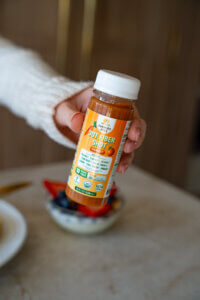 One of my personal favorites is their Chia Fiber Shots. These delicious 4-oz shots contain 10g of fiber each (that’s 36% of your daily recommended serving)!
Farmer’s Juice is also significantly more affordable than buying and preparing a wide assortment of organic juice each week, making it a realistic option for long-term use.
In essence, Farmer’s Juice removes the biggest barriers that prevent people from getting the antioxidant diversity their bodies need.
And whatever you decide, remember to aim for 30 fresh vegetables, fruits, and spices per week, because an antioxidant-rich diet is the single best way to support your longevity.
This is fantastic news. when I go to search for a beverage that doesn’t contain to much I’m usually very disappointed because I find an assortment drinks and all of them conthave added sugar. but farmers juicjuice is a God sent!!!
Thank you for this so important and concise article.
Everybody should read it.
fabulous…. you always are! Americans need to off their devices listenibg to useless polutics, lies, commercials etc. And listen/ reD Mr Brien’s information that helps all the othsr deadly lies$$ , one sided not research based! More gabage and more garbage accumulates and cause every problem you can imagine from head to your toes to your heart to your very gentle but strong mg soul! that helps be able to recignize the light and the truth🙏❤️🙏😃
vital information! thanks for the farmers juice recommendation, it’s rare to find low sugar options.
my children’s pediatric cardiologist and dietician recommends several of these produce varieties. regular juice is on the no or rarely list due to high sugar which is not good for the heart & lipids.
we live in the upper Midwest, in the winter we tend to cook with more frozen veggies & fruits, but in the summer our local farmers market has lots of fun variety!
be blessed!
heidi