


Slice an apple in half and leave it on the counter. Within a few minutes, that crisp white flesh starts to turn brown.
What you’re watching is oxidation, and a version of it is happening inside you right now, in trillions of cells, every single day, and it contributes to accelerated aging, chronic inflammation, and even cancer.
However, there are certain things you can do to minimize it. To better understand what I mean, let’s zoom in.
What “Cellular Health” Actually Means
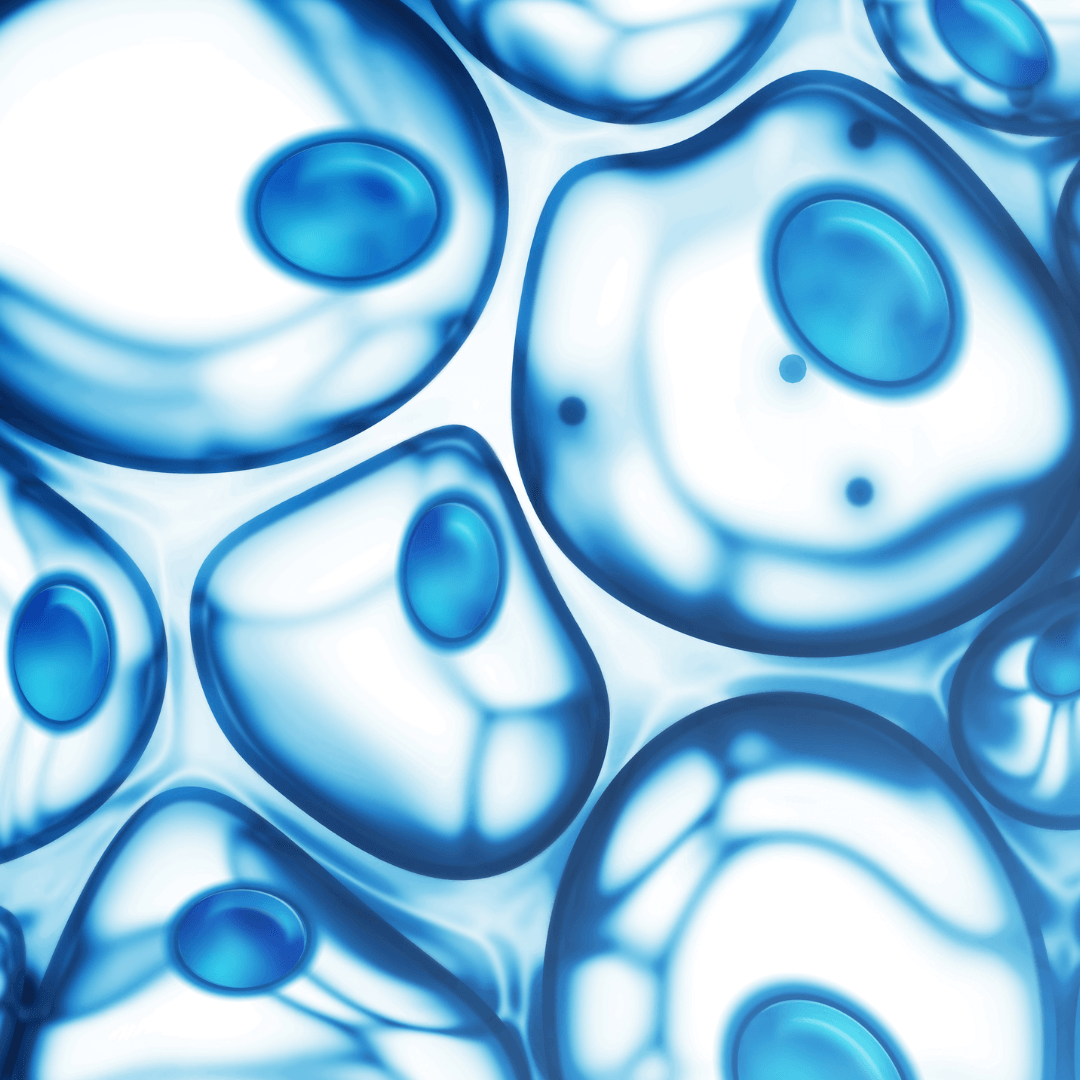 Your body is built from trillions of cells. Your skin, heart, joints, brain, and blood vessels are all made of them, and every one of those cells has a job to do.
Day in and day out, your cells make energy, repair damage, clear out waste, and send signals to one another. Many of them also replace themselves, which is how your skin renews itself and a small cut heals over.
Cellular health is simply how well your cells keep doing those jobs as the years go by.
When your cells are working well, you tend to feel it. Your energy is steadier, you bounce back faster, and your skin, joints, and heart hold up better over time. When they struggle, the effects add up slowly and show up as many of the changes we think of as aging.
The Two Big Challenges Your Cells Face
The first is oxidative stress, the same process you watched happen to that apple.
Every time your cells turn food and oxygen into energy, they give off unstable molecules called free radicals. Some free radicals are normal and even useful. Your immune system uses them to fight off germs.
The trouble starts when free radicals pile up faster than your body can clear them. They can damage the parts your cells rely on to do their jobs, including their outer layer, their proteins, and even their DNA.
The second is chronic inflammation. Short-term inflammation is how your body heals a cut or fights off an infection. When it lingers at a low level for months or years, though, it keeps your cells under constant strain, and it tends to fuel oxidative stress.
Here’s the encouraging part. Your body has its own built-in defenses, including antioxidant enzymes that neutralize free radicals and signals that switch inflammation off once a job is done. What you eat helps keep those defenses supplied.
Think back to the apple. Squeeze a little lemon juice on it, and it stays white far longer. Certain foods and nutrients may play a similar supporting role for your cells.
Here are eight of the most studied. Some have exciting research behind them. Others are earlier in the story, and I’ll tell you which is which.
1. Turmeric
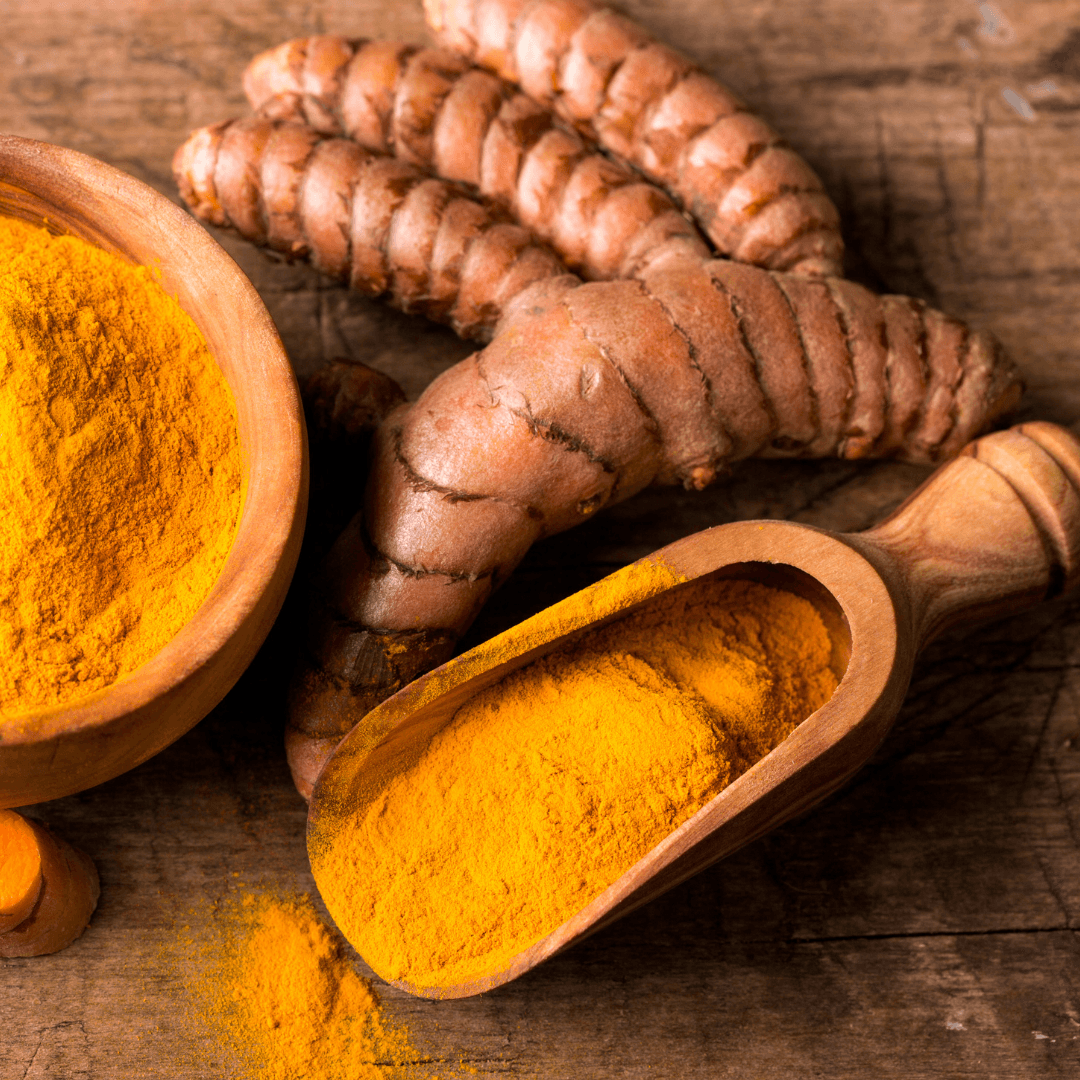 If you love curry, you already know turmeric. It’s the golden root that gives the dish its color, and it’s been used as a medicinal plant for thousands of years. Most of its power comes from a group of compounds called curcuminoids, and the star of the group is curcumin.
What I find so impressive about curcumin is that it works on both of the challenges we just covered. It helps neutralize free radicals, and it calms the inflammatory signals inside your cells. Researchers credit most of turmeric’s benefits to those two effects.
Inside each cell, inflammation is controlled by a kind of master switch, and curcumin appears to help keep that switch from getting stuck in the “on” position.
And if you’ve ever dealt with achy knees, this part is especially encouraging. A review of 10 clinical trials found turmeric eased knee pain and stiffness in people with osteoarthritis. In the three studies that compared it with common anti-inflammatory pain relievers, turmeric held its own.
The one catch: on its own, curcumin is poorly absorbed. However, you can pair it with a little healthy fat and a pinch of ginger or, number 8 on this list below, black pepper, to make it more bioavailable.
2. Green Tea
 Green tea is made from the leaves of the Camellia sinensis plant, and every cup is packed with plant antioxidants called catechins. The most powerful of them is EGCG, which makes up more than half of the catechins you’re sipping.
I love how clever these compounds are. Catechins protect your cells in three ways. They hand off an electron to a free radical, which calms it down and stops the chain reaction of damage it would otherwise set off. They grab onto iron and copper, metals that can spark new free radicals. And they appear to prompt your cells to make more of their own antioxidant enzymes, which helps your body’s cleanup crew do even more.
In clinical trials, green tea products also lowered LDL cholesterol (the kind you want less of) by a small amount.
A cup or two a day is one of the easiest, most enjoyable habits on this list! If you drink it later in the day, look for decaf, since green tea does contain caffeine.
3. Quercetin
You’ll find quercetin in some of the most ordinary foods in your kitchen: onions, apples, berries, and capers. It’s a flavonoid, one of the natural pigments that give fruits and vegetables their color.
Here’s where it gets interesting. Much of quercetin’s work seems to happen in the lining of your blood vessels, which makes a molecule called nitric oxide. Think of nitric oxide as the signal that tells your blood vessels to relax and widen. Free radicals break it down, so when oxidative stress builds up, your vessels have a harder time relaxing. Quercetin’s antioxidant action may help protect that signal. Researchers also think it may block an enzyme called ACE, the same target as a common class of blood pressure medications.
When researchers pooled the results of 7 clinical trials with 587 people, quercetin supplements lowered blood pressure by about 3 points, with the clearest effect at 500 mg a day or more.
Onions, apples, and berries are simple ways to get more quercetin into your week. An apple a day may be doing a little more than you thought!
4. Astragalus Root
Astragalus is a flowering plant whose root has been used for centuries in traditional Chinese medicine, where it’s known as Huang Qi. It’s considered an adaptogen, a plant believed to help your body handle physical and emotional stress.
The root contains several families of active compounds, and most of the excitement centers on your immune system. A review of 19 studies found that astragalus strengthened immune responses and lowered levels of the messenger proteins that drive inflammation. That’s a promising combination for your cells, since a well-balanced immune system is part of how your body keeps inflammation in check.
The studies so far have been small, so this is one ingredient where the research is still catching up to its long history. Astragalus has centuries of traditional use behind it, and it’s one I’m excited to see more research on.
5. Korean Ginseng
Korean ginseng, also called Panax ginseng, has been part of traditional medicine in Asia for about 2,000 years. The root is the most famous part, though the leaves and fruit are used too.
Its active compounds are called ginsenosides, and researchers have identified about 200 of them. In lab and animal studies, ginsenosides act as antioxidants and help blood vessels relax.
If you’re in midlife, this finding may catch your attention: research suggests ginseng may sharpen attention, reaction time, and abstract thinking in middle-aged adults, though not in younger ones. Those trials have been small, so I’d call this one promising, with more research to come. One of ginseng’s most common side effects is trouble sleeping, so if you try ginseng, take it earlier in the day.
6. Grape Seed Extract
Grape seed extract comes from the seeds of wine grapes, the part most of us spit out. It turns out those little seeds are packed with compounds called proanthocyanidins.
In lab studies, proanthocyanidins have shown stronger antioxidant activity than vitamins C and E, which is pretty incredible for something we usually throw away.
The research in people is some of the most encouraging on this list for heart health. According to the NIH, a review of 19 studies with 1,080 people found that grape seed extract lowered diastolic blood pressure (the bottom number), and a separate review found improvements in LDL cholesterol and triglycerides.
The research uses a concentrated extract made from the seeds, so this is one ingredient that’s hard to get from food alone.
7. Selenium
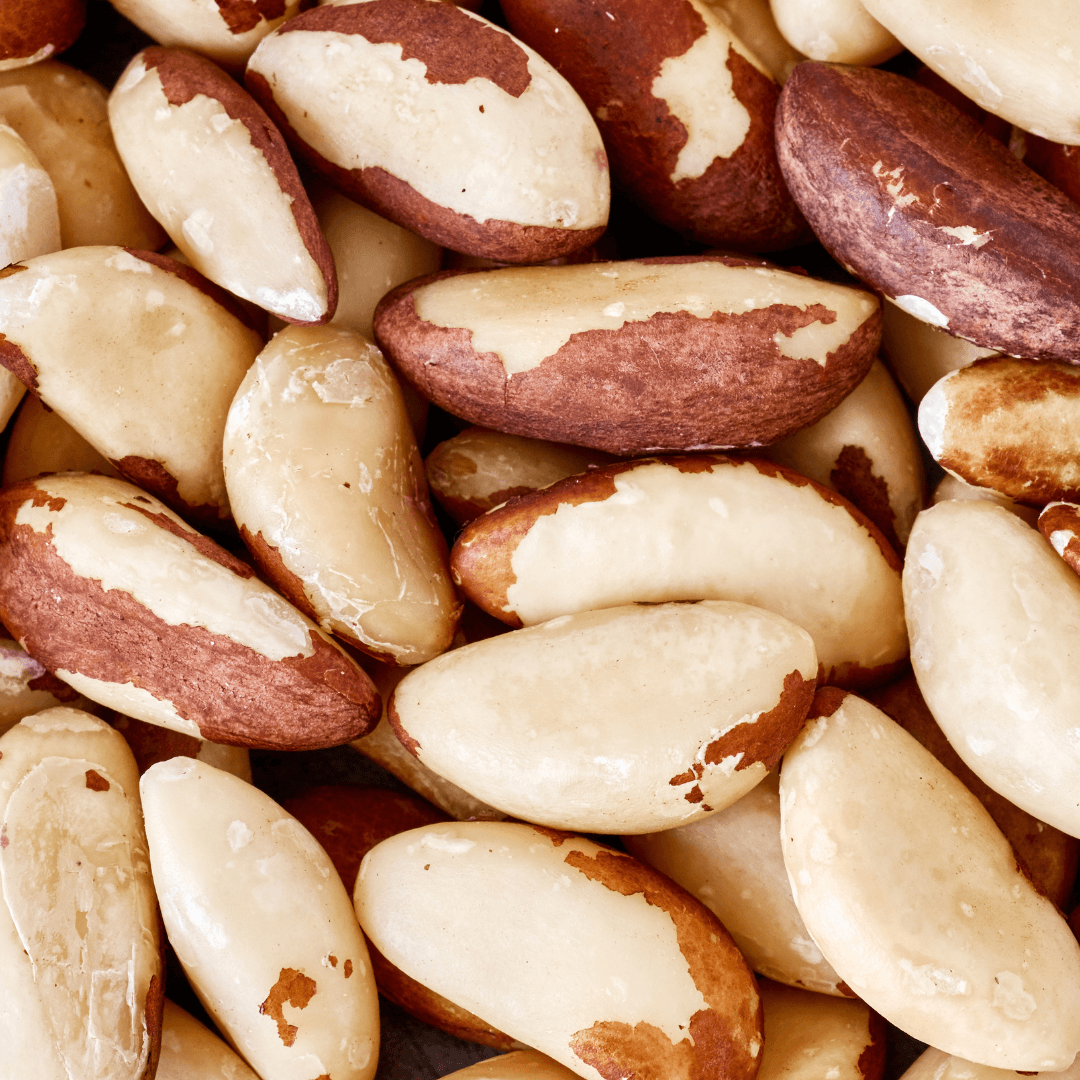 Selenium is the only essential nutrient on this list, which means your body can’t function without it. It’s a building block of 25 specialized proteins that help protect your cells from oxidative damage, make thyroid hormones, and build DNA.
You’ll famously find it in Brazil nuts. Just one ounce, about 6 to 8 nuts, can contain more than 500 mcg.
With selenium, though, more doesn’t mean better. The upper safe limit for adults is 400 mcg a day from all sources combined, and getting too much over time can cause brittle nails, hair loss, and a garlic odor on your breath.
The goal with selenium is simply enough. And for most people, enjoying a couple of Brazil nuts a few times per week is enough.
8. Black Pepper
Black pepper comes from dried peppercorns, and its key compound is piperine. Piperine slows the process your liver and gut use to break down curcumin, so more of it stays in your bloodstream. In one small but influential study, adding 20 mg of piperine to curcumin boosted its absorption by an incredible 2,000%!
That’s why turmeric and black pepper are such a classic pair. Piperine can slow the breakdown of some medications too, so if you take any, see the note at the end.
What this means for you: Add a crack of black pepper whenever you cook with turmeric.
My Top Recommendation: OUR 7
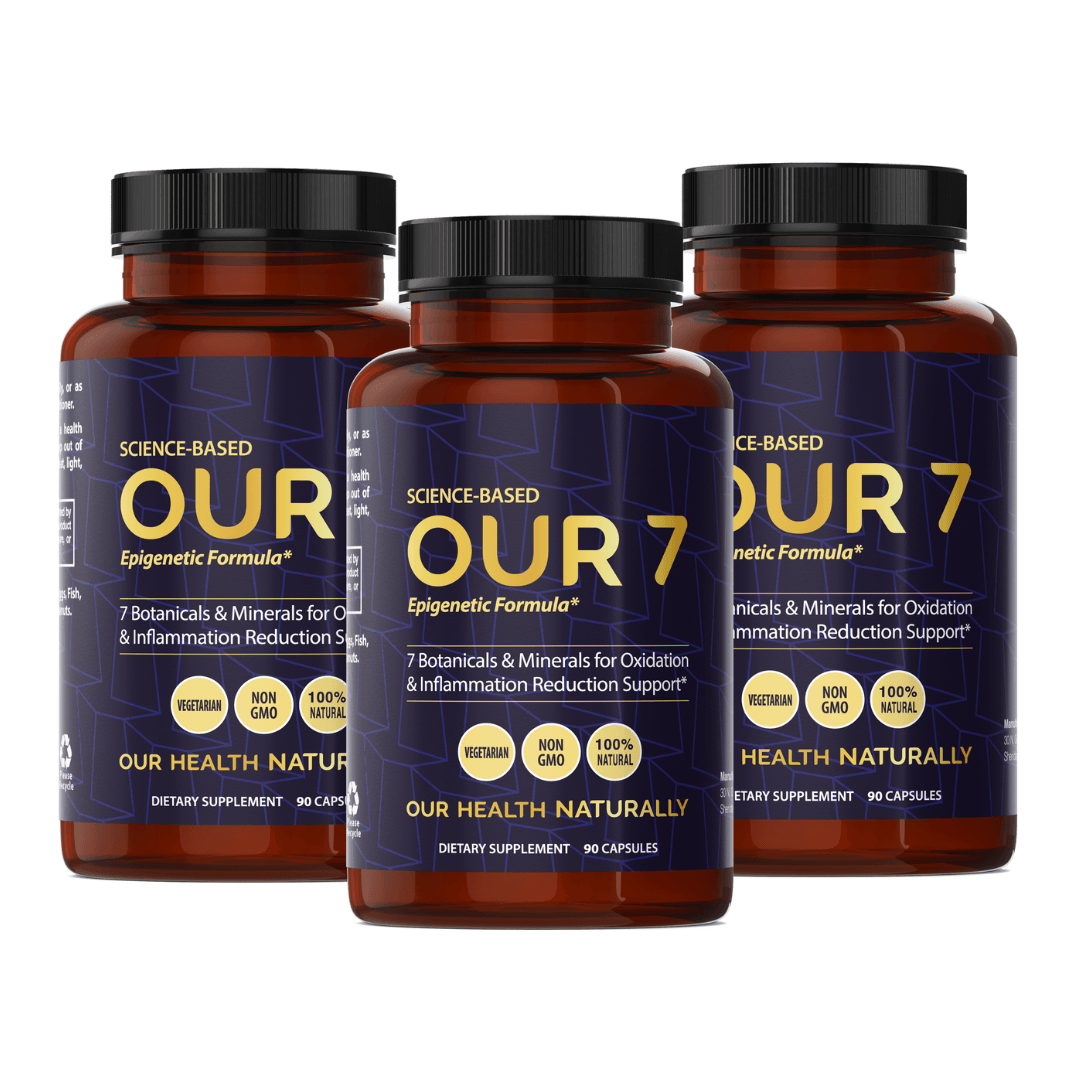 OUR 7 from Our Health Naturally combines every ingredient on this list in one daily formula. It’s designed to encourage your body’s natural cellular health processes and support a healthy inflammation response. Here’s what I love about it.
Turmeric, made easier to absorb. Turmeric extract is paired with a black pepper extract and MCT oil powder to help your body absorb the curcumin.
Four sources of antioxidant support. Green tea extract standardized to 65% EGCG, grape seed extract at 95% procyanidolic value, quercetin, and selenium. At 35 mcg per serving, the selenium leaves plenty of room for what you already get from food.
Two time-honored herbs. Korean ginseng standardized to 8% ginsenosides and astragalus root, both used in traditional medicine for centuries.
Clean, carefully sourced. Glyphosate-free, tested for low heavy metals, and made with vegetable capsules.
It’s also backed by a 70-day money-back guarantee. If you’ve been curious about easy ways to support your health down to the cellular level, this is one of the simplest, most effective ways I know of.