

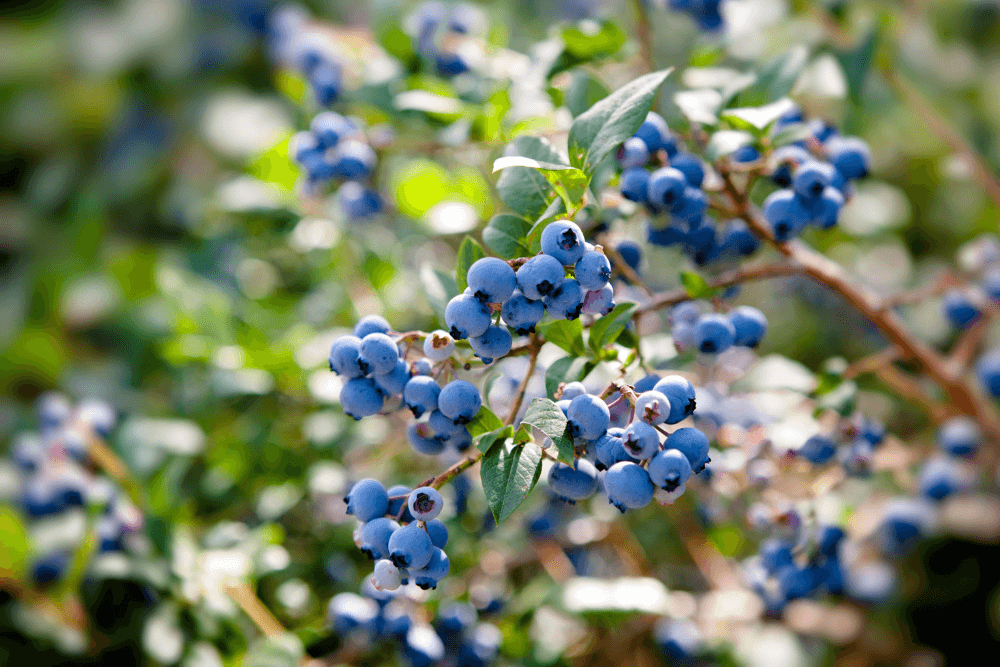
Walk into almost any grocery store in America, and you will find blueberries. Plump, round, and stacked in plastic clamshells, available twelve months a year.
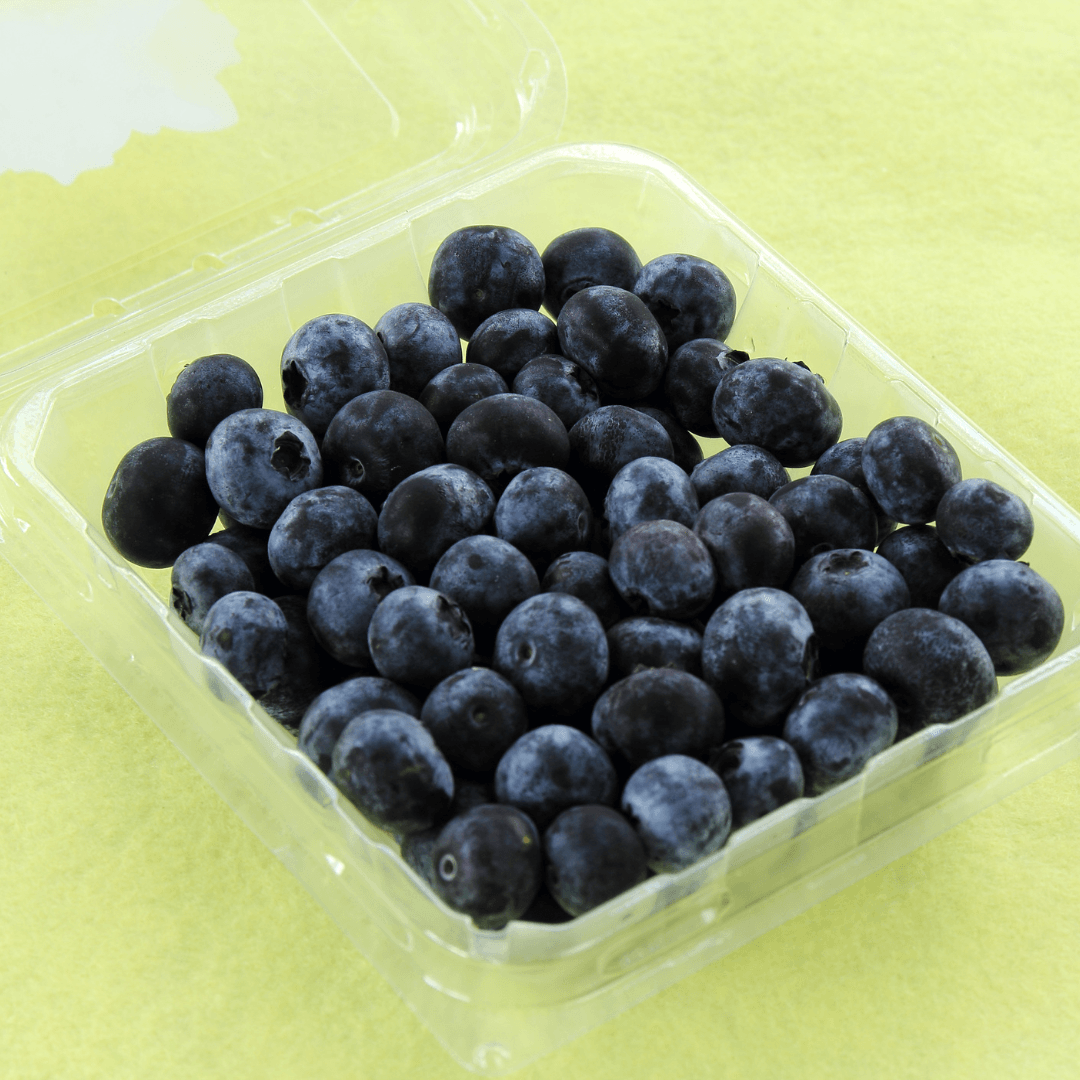 Cultivated blueberries are one of the genuinely great everyday grocery store foods, and if a handful of them is already part of your morning, you are doing something good for your brain, your heart, and your skin.
But here is what most people don’t realize.
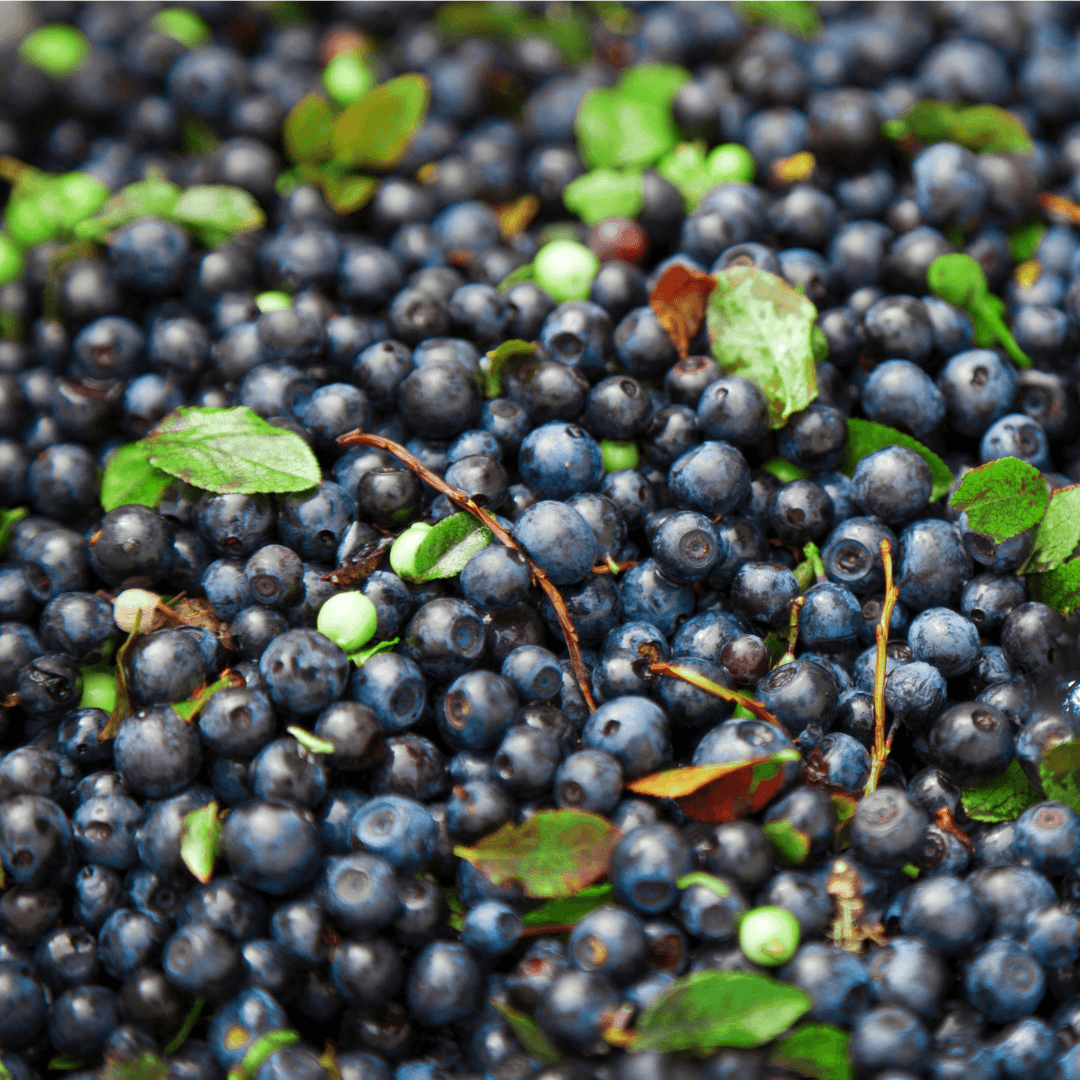
There is another blueberry. Smaller, darker, almost inky in color. No farmer planted it, because no farmer can. It grows only where it chooses to grow, in the cold northern forests of Canada, Sweden, Finland, and Estonia, and it survives conditions that would finish off a cultivated berry in a week.
That is the wild blueberry. And on nearly every nutritional measure researchers care about, it outperforms the standard blueberry that most of us are familiar with.
The catch is that you almost certainly cannot walk into a store and buy it fresh. Hold onto that, because it changes everything about how you actually get these benefits.
First, let’s talk about why we age the way we do
You have probably heard the phrase “free radicals” tossed around. Here is what it actually means for you.
Every single day, your body produces unstable molecules as a natural byproduct of living, breathing, and processing food. Add in sun exposure, pollution, stress, and the modern diet, and those molecules pile up faster than your body can neutralize them. Scientists call the resulting imbalance oxidative stress, and it is one of the central drivers of how we age, inside and out. It wears on your cells, your blood vessels, your brain, and yes, your skin.
Your body’s defense against all of this? Antioxidants. And this is exactly where the humble blueberry steps into the spotlight.
Three berries, three very different stories
Before we go further, there is a distinction almost nobody makes, and it may be the most useful thing you can understand about this fruit. “Blueberry” is not one berry. It is three.
Cultivated blueberries (Vaccinium corymbosum) are the highbush variety in every grocery store. They were bred over the last century for size, sweetness, and sturdiness, and they deliver on all three. Cut one open, and the flesh inside is pale green-white. The blue lives in the skin. They are a good source of antioxidants, and they have earned their place in your kitchen.
American wild blueberries (Vaccinium angustifolium) are the lowbush variety from the barrens of Maine, Quebec, Nova Scotia, and Prince Edward Island. Nobody plants these. Growers tend fields that nature established on its own and harvest them on a two-year cycle. They are smaller and darker than cultivated berries, with significantly more anthocyanins.
Nordic wild blueberries (Vaccinium myrtillus), the bilberry, grow in the forests of Sweden, Finland, and Estonia. Here the story changes entirely. These cannot be commercially cultivated at all. Not planted, not managed, not coaxed onto a field. They are gathered by hand, by people walking the forest floor, during a short summer window. And when you cut one open, the flesh is deep red-purple all the way through.
In a cultivated blueberry, the anthocyanins are concentrated almost entirely in the skin, which is why the inside looks pale. In a Nordic wild blueberry, the pigment saturates the entire berry. You are getting anthocyanins in every part of every bite, not just in the thin layer around the outside.
So the ordering runs: cultivated is good, American wild is better, and Nordic wild is in a category of its own. This article is about that third berry.
Why the hardship is the whole point
Nordic wild blueberries have spent millennia surviving harsh winters and short, intense growing seasons. No pampering and no protection from the elements. To defend themselves, they concentrate those deep blue-purple pigments called anthocyanins, the very antioxidants researchers are most excited about.
A berry that has to fight for its life builds a far stronger chemical defense system than one raised in an easy climate on a managed farm.
The result is striking. According to USDA analysis, a serving of wild blueberries delivers roughly twice the total antioxidant capacity of ordinary cultivated blueberries, along with a significantly higher anthocyanin content. And among the wild berries, the Nordic bilberry leads, precisely because of that pigmented flesh.
That deep, almost black-purple color you see in a true wild berry is the pigment doing its work.
What the research actually shows
Blueberries are a food, not a magic pill, and no single food cures or prevents anything on its own. However, research on wild blueberries has become genuinely impressive, and it is worth exploring.
A sharper, more resilient brain
 This is the benefit that gets me most excited, because so many of us worry about staying mentally sharp as the years add up.
In one of the most compelling studies to date, researchers gave 61 healthy older adults (ages 65 to 80) a daily serving of freeze-dried wild blueberry powder for twelve weeks. The result? Measurable improvements in both cognitive performance and blood vessel function compared to a placebo group.
Multiple other clinical trials and reviews have linked the anthocyanins in wild blueberries to better memory and executive function, with the clearest benefits showing up in older adults.
Population research points in the same encouraging direction: people who regularly eat anthocyanin-rich foods tend to experience slower age-related changes in thinking and memory.
In plain language, wild blueberries appear to support healthy brain function as we age. For a food this delicious, that is win-win.
A heart and blood vessels that keep flowing freely
That same landmark trial did not just measure memory. It also measured what is called endothelial function, essentially how well the lining of your blood vessels relaxes and allows blood to flow. The wild blueberry group saw real improvement.
This is important because supple, responsive blood vessels are foundational to healthy circulation, healthy blood pressure, and (not coincidentally) healthy blood flow to the brain. Anthocyanins appear to support the body’s natural production of nitric oxide, the molecule that helps your vessels stay flexible and open. Supporting cardiovascular well-being is one of the most consistently studied benefits of these little berries.
Steadier blood sugar
Emerging human research suggests that regular blueberry consumption may support healthy glucose metabolism and insulin sensitivity, particularly in people who are not especially active. Given how central steady blood sugar is to energy, mood, and healthy aging, this is a benefit worth paying attention to as the research continues to grow.
Skin that ages more gracefully
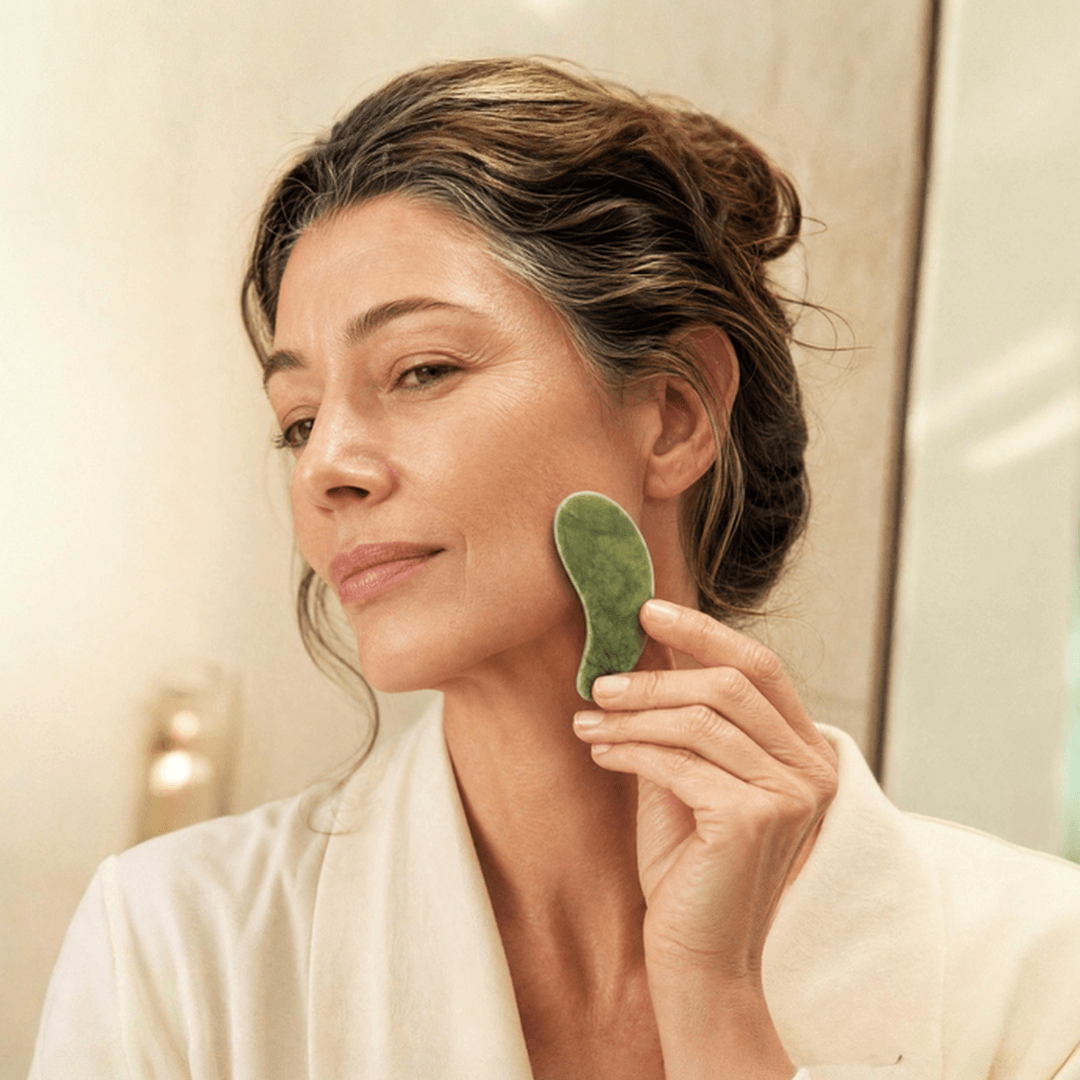 The skin research on wild blueberries is still developing, but what we are seeing is genuinely intriguing.
In lab studies, blueberry anthocyanins have been shown to support the skin’s own collagen (both by encouraging its production and by helping defend against its breakdown) and to help protect skin cells against the oxidative and UV-related stress that accelerates visible aging.
Wild blueberries are a natural source of vitamin C, and vitamin C is one of the raw materials your body relies on to build collagen in the first place. So while the topical skin science matures, eating antioxidant-rich wild blueberries is a wonderful way to nourish your skin from the inside out.
Eyes, gut, and whole-body defense
The benefits do not stop there. Wild blueberries have a long traditional history of use for eye and vision support, and their anthocyanins are being actively studied for how they protect the delicate cells of the retina.
Their natural fiber helps feed a healthy gut microbiome, and across the board, their antioxidants help your body do battle with the everyday oxidative stress that quietly, well, that steadily wears us down over time.
Add it all up, and you begin to see why the wild blueberry has earned its reputation as one of nature’s true anti-aging foods.
So why can’t you just go buy a pint of them?
By now you may be reaching for your car keys. I understand the impulse. But this is where the wild blueberry gets frustrating, and where most articles on this subject leave you hanging.
They cannot be farmed. Wild blueberries are not a crop that gets planted each spring. They spread on their own terms, through underground root systems, across forest floors and barrens that took decades or centuries to establish. You cannot plant a wild blueberry field. You can only find one.
The harvest window is tiny. Nordic wild berries ripen in a short summer burst and are gathered largely by hand, by people walking the forest. There is no scaling that up. The forest produces what the forest produces.
They are far too fragile to ship fresh. A wild berry is smaller and more delicate than a cultivated one, with thin skin and a short shelf life. This is why nearly the entire wild harvest is preserved within hours of picking rather than trucked to produce aisles. The cultivated blueberry, by contrast, was bred in large part to be sturdy enough to travel well. That sturdiness is exactly why you see it everywhere and almost never see its wild relative.
And the study amounts are hard to reach with a handful. Many of the trials use concentrated amounts of anthocyanins, well beyond what a casual sprinkle of berries typically delivers.
Which leads to the obvious question. If wild blueberries are this remarkable and this scarce, how does anyone actually get them?
The answer: freeze-dried wild blueberry powder
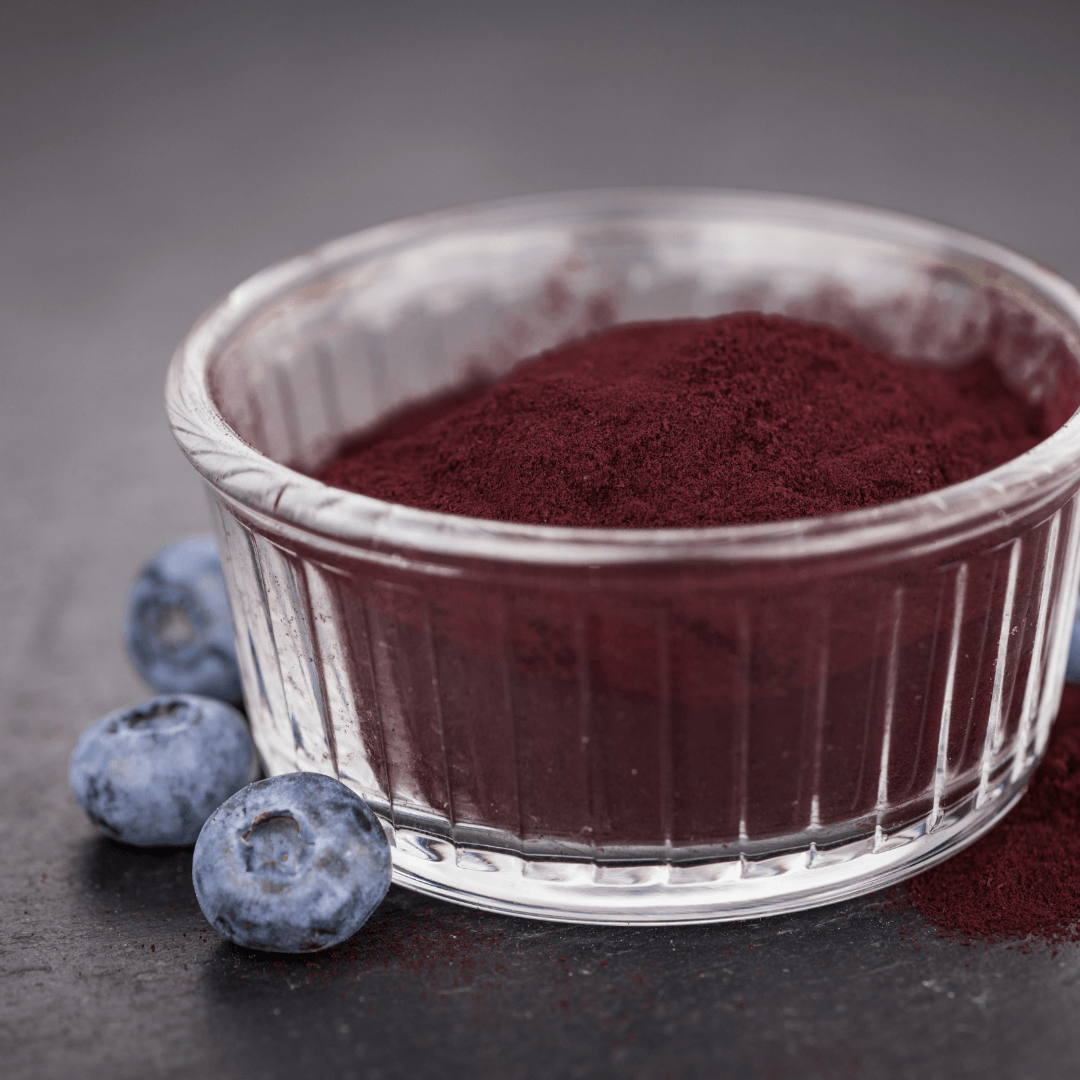
This is precisely why I have become such a fan of freeze-dried wild blueberry powder.
Freeze-drying is widely considered the gold standard of food preservation, retaining roughly 97% of a food’s original nutrition by locking it in at the peak of ripeness. Nothing is heated, meaning nothing is diluted. The water simply leaves, and the anthocyanins stay behind.
You get the concentrated power of the whole wild berry (skin, fiber, pigment, and all) in a form that is potent, consistent, and shelf-stable. It is not a compromise version of the fresh berry. For anyone living outside a Nordic forest, it is realistically the only way to get these berries at all.
My Top Recommendation: LOOV Organic’s Freeze-Dried Wild Blueberry Powder
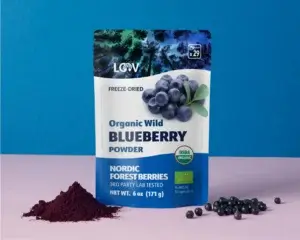 After looking closely at the options, the one I keep coming back to is LOOV Organic’s Freeze-Dried Wild Blueberry Powder.
Yes, I use this personally, and here is why it stands out:
- It is made from 100% organic wild blueberries (Vaccinium myrtillus), harvested from certified-organic Nordic forests in Sweden, Finland, and Estonia. These are the true wild berries, not the cultivated kind.
- It contains nothing else. No added sugar, no fillers, no preservatives, no synthetic anything. Just pure freeze-dried organic wild blueberry.
- The freeze-drying process protects that precious anthocyanin content, so what you scoop into your smoothie is as close to what nature intended as possible.
- It is lab-tested for purity (including heavy metals), which, for a berry this concentrated, gives real peace of mind.
- One tablespoon is made from roughly 48 grams of fresh wild blueberries, so a single spoonful delivers a serious concentration of goodness.
Using it could not be simpler. Stir one to two tablespoons a day into your yogurt, oatmeal, morning bowl, or my preferred method, your smoothie. That deep purple color alone will make you smile, and you will know exactly what it means: pure, wild, antioxidant power going to work for your brain, your heart, and your skin.