

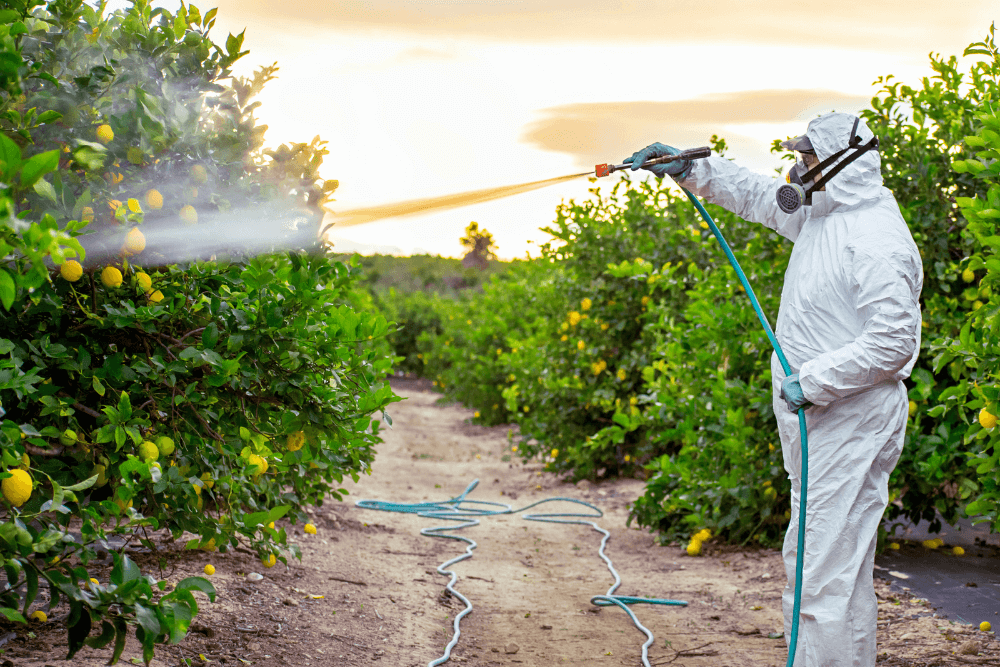
You may be eating, drinking, and even absorbing toxic levels of America’s number one pesticide every day—without realizing it.
Glyphosate, long the active ingredient in professional and agricultural Roundup and one of the most widely used herbicides in the world, has been at the center of heated debates for years. While regulators and agribusinesses claim it is safe, growing research suggests otherwise. Studies link glyphosate exposure to serious health risks, including cancer, gut microbiome disruption, hormonal imbalances, and even neurotoxicity.
Even more concerning? Glyphosate isn’t just used in professional weed killers—it’s in our food, water, and even personal care products.
In this article, we will expose the hidden health risks of glyphosate, reveal the everyday products it can contaminate, and show you practical steps to protect yourself and your family from exposure.
What Is Glyphosate?
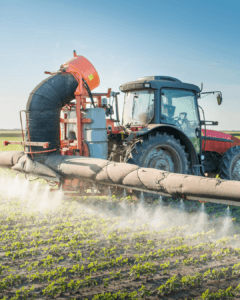 Glyphosate is a broad-spectrum herbicide widely used to kill weeds and grasses. It was first introduced in 1974 by Monsanto (now owned by Bayer) under the brand name Roundup. Important note for home users: as of 2024, Bayer no longer produces glyphosate-based Roundup for the U.S. residential market, though some older glyphosate stock can still be found on shelves. Professional and agricultural formulations continue to contain glyphosate. The new residential formula uses a combination of active ingredients (triclopyr, fluazifop, diquat, and imazapic) whose long-term health effects are still being studied and which some researchers consider potentially as harmful or worse.
Despite many countries restricting or banning glyphosate due to health concerns (including Germany, France, and Mexico), today, glyphosate is the most heavily used herbicide in the world, with over 280 million pounds applied annually in the U.S. alone.
How Does It Work?
Glyphosate works by blocking the shikimate pathway, a critical metabolic process in plants, fungi, and bacteria. This effectively stops plants from growing, making it an extremely effective weed killer.
While human cells don’t use this pathway, the gut microbiome does, raising concerns about its impact on human health.
Where is it used?
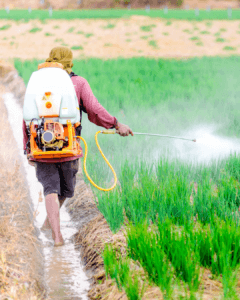 Glyphosate is everywhere, often in places you wouldn’t expect. It’s not just used in large-scale agriculture—it’s also applied in public spaces, neighborhoods, and even home gardens.
- Industrial Agriculture:
Glyphosate is used on genetically modified (GMO) crops like corn, soy, canola, and sugar beets that are engineered to withstand this harsh synthetic pesticide.
It’s also sprayed on non-GMO crops (like wheat, oats, and legumes) as a drying agent (desiccant) before harvest.
It’s also common in fruit orchards and vineyards.
- Public Spaces:
Glyphosate is sprayed on parks, playgrounds, and school grounds to prevent weed growth. It’s also commonly applied along roadsides and highways by municipal services.
- Golf Courses & Sports Fields:
Glyphosate is used to maintain weed-free, manicured landscapes, increasing potential exposure to players and staff.
- Home Lawn & Garden Care:
Glyphosate is found in common weed killers like Roundup and similar store-brand products and is frequently used by landscaping companies on residential lawns.
And the scary part is, since glyphosate is water-soluble, it doesn’t just stay where it’s sprayed. It can drift in the air, seep into the soil, and run off into water supplies, making exposure even more widespread than most people realize.
Whether you eat conventionally-grown (aka non-organic) food, walk through your neighborhood park each day, or maintain a home garden, understanding where glyphosate is used helps reveal why its health risks are relevant to everyone.
Why Is Glyphosate Harmful?
While glyphosate is marketed as a “safe” herbicide, growing research suggests it can pose serious health risks. From cancer concerns to gut health disruption, this chemical has been linked to a range of potential dangers that affect people in ways they might not expect. Here’s why exposure to glyphosate matters for your long-term well-being:
Potential Carcinogen
In 2015, the World Health Organization’s International Agency for Research on Cancer (IARC) classified glyphosate as “probably carcinogenic to humans,” linking it to an increased risk of non-Hodgkin’s lymphoma.
Since then, thousands of lawsuits have emerged, with plaintiffs—many of them landscapers and agricultural workers—claiming glyphosate exposure caused their cancer. Bayer (Monsanto’s parent company) has paid over $10 billion to settle these lawsuits.
In January 2024, a Pennsylvania jury unanimously ordered Bayer AG to pay $2.25 billion in damages after determining that prolonged use of Roundup, a glyphosate-based herbicide, caused a man’s non-Hodgkin’s lymphoma. This landmark verdict highlights the growing recognition of the health risks associated with glyphosate exposure.
Even if you’re not using glyphosate directly, residues in food, water, and public spaces may be contributing to long-term exposure.
Gut Health & Microbiome Disruption
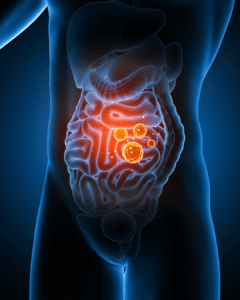 Your gut microbiome—the community of beneficial bacteria in your digestive system—plays a critical role in digestion, immune function, and even mental health.
Studies show glyphosate can disrupt the gut microbiome by harming beneficial bacteria while allowing harmful strains to thrive, potentially leading to issues like leaky gut syndrome, inflammation, and autoimmune diseases. Since gut health is linked to conditions like IBS, food sensitivities, anxiety, and depression, exposure to glyphosate could have broader health effects than most people realize.
Endocrine Disruption & Hormonal Effects
Glyphosate has been classified as a potential endocrine disruptor, meaning it can interfere with hormone balance and impact fertility, thyroid function, and overall metabolic health. Even at low levels, endocrine disruptors can have long-term effects on reproductive health, development, and hormone-driven conditions like PCOS and estrogen dominance.
This is particularly concerning for pregnant women and children, as early-life exposure to endocrine-disrupting chemicals has been linked to developmental disorders and increased disease risk later in life.
Liver & Kidney Toxicity
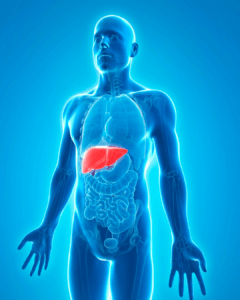 Your liver and kidneys are responsible for filtering toxins, and long-term exposure to glyphosate has been linked to organ damage, even at low levels.
One study proved that glyphosate excretion is associated with the progression of liver inflammation. Since your liver is critical for detoxification and hormone regulation, glyphosate could be quietly overloading these vital organs, making it harder for your body to process and eliminate other harmful chemicals.
Neurological Concerns
Emerging research suggests that glyphosate may contribute to oxidative stress and neuroinflammation, which have been linked to conditions like Parkinson’s disease, Alzheimer’s, and autism spectrum disorders. A study found that even glyphosate levels lower than the limits set by regulatory agencies have neurotoxic effects on the brain and nervous system.
Since brain health is closely tied to gut health, glyphosate’s ability to disrupt the microbiome may also have indirect effects on mood disorders, cognitive decline, and even behavior in children.
Where Does Glyphosate Hide?
Glyphosate exposure isn’t limited to those who work in agriculture or use weed killers in their backyard. In fact, most people come into contact with it daily—often without realizing it.
Because it’s so widely used, glyphosate residues can be found in food, drinking water, the environment, and even household products. Here’s where this hidden toxin might be affecting you:
The Foods You Eat
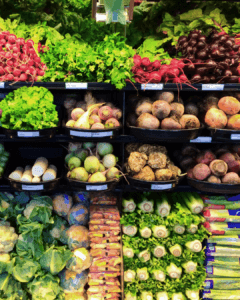 One of the biggest sources of glyphosate exposure is through conventionally grown food. Crops that are either genetically modified (GMO) to resist glyphosate or are sprayed with it before harvest can contain alarming levels of residue.
The Environmental Working Group (EWG) tested oat-based products and found that over 95% contained glyphosate, including many popular breakfast cereals.
Foods with the Highest Glyphosate Levels:
- Oats & Oat-Based Products: Non-organic oats, granola bars, oatmeal, cereals (e.g., Cheerios, Quaker Oats).
- Wheat & Wheat-Based Foods: Bread, crackers, pasta, tortillas, and baked goods.
- Legumes (Beans, Lentils, Chickpeas): Hummus, lentil soup, canned beans, tofu, and soy products.
- Corn & Corn-Based Foods: Cornmeal, tortilla chips, popcorn, high-fructose corn syrup (used in processed foods).
- Soy & Soy-Based Products: Soy milk, soy protein powders, veggie burgers, infant formula, processed foods.
- Non-Organic Fruits & Vegetables: Apples, grapes (and wine), citrus fruits, almonds.
Since glyphosate is not washed off by water and remains in food even after processing, simply rinsing produce isn’t enough to avoid it. Choosing USDA Certified Organic foods is one of the most effective ways to reduce your exposure.
Drinking Water
 Glyphosate contamination isn’t limited to food—it’s also found in tap water, groundwater, and even some bottled water. A U.S. Geological Survey study found glyphosate in 75% of air and rain samples, meaning it can travel far beyond where it was originally sprayed.
How Does Glyphosate End Up in Water?
- Agricultural runoff carries it into rivers, lakes, and groundwater.
- Municipal water supplies may not filter it out completely.
- Well water in farming regions is at higher risk.
A study by the U.S. Geological Survey (USGS) found that glyphosate was detected in 66 out of 70 U.S. streams and rivers across various land-use settings. Notably, the frequency of detection was higher in streams draining agricultural regions.
The Environment
Even if you eat organic and filter your water, glyphosate still surrounds us in the air, soil, and even rainfall. Since it’s widely used in agriculture and urban weed control, glyphosate residues can linger in the environment for months or even years.
Since glyphosate doesn’t break down immediately, pets and children who play on treated grass may be exposed to it through skin contact, inhalation, or even ingestion. If you visit parks or playgrounds frequently, check whether they use glyphosate-based herbicides or advocate for safer alternatives.
Household & Personal Products
Glyphosate isn’t just in food and water—it can also show up in everyday household and personal care products. Many people assume “natural” or plant-based products are free from toxins, but if they contain non-organic plant ingredients, they likely also contain glyphosate residues.
Household Products That May Contain Glyphosate:
- Pet Food: Many commercial brands use corn, soy, and wheat as fillers—common glyphosate-contaminated ingredients.
- Cotton-Based Products: Tampons, cotton swabs, diapers, and clothing may contain residues from glyphosate-treated cotton crops.
- Garden Weed Killers: Professional-grade and agricultural Roundup still contains glyphosate, and some older residential stock may still be on shelves. The current residential Roundup formula no longer contains glyphosate, but its replacement ingredients (triclopyr, fluazifop, diquat, and imazapic) carry their own health and environmental concerns that are still being assessed. Many store-brand residential weed killers also continue to contain glyphosate.
Glyphosate in Skincare Products
Since soy, corn, and cotton are commonly used in skincare, lotions, and cosmetics, glyphosate residues can be absorbed through your skin. If a product isn’t USDA Certified Organic, its plant-based ingredients may have been grown with glyphosate.
This is even true for skincare that uses marketing phrases such as “natural,” “contains some organic ingredients,” or “clean,” since these phrases are not regulated. To reduce exposure, look for skincare products that are USDA Certified Organic, the strictest and most trusted independent certification, which guarantees the product was not made with any ingredient grown with glyphosate.
How to Protect Yourself from Glyphosate Exposure
Glyphosate exposure is so widespread that avoiding it entirely may seem impossible—but there are effective ways to reduce your risk. By making small, intentional choices about what you eat, drink, and use in your daily life, you can significantly lower your exposure and support your body’s natural detoxification.
Choose Organic Foods
 One of the easiest and most effective ways to reduce glyphosate exposure is to choose organic food whenever possible. USDA Certified Organic standards prohibit the use of synthetic herbicides like glyphosate, meaning organic crops are far less likely to contain residues.
Steps to Reduce Glyphosate in Your Diet:
- Prioritize organic versions of high-residue foods like oats, wheat, legumes, and soy-based products.
- Look for Glyphosate Residue-Free certification on packaged foods.
- Choose regenerative organic brands, which go beyond organic standards by improving soil health and biodiversity—reducing the need for chemical inputs altogether.
Detox & Eliminate Glyphosate from Your Body
Since glyphosate can accumulate in the body over time, supporting your body’s natural detox pathways is essential. Your liver, kidneys, and gut microbiome all play a role in breaking down and eliminating toxins—including glyphosate.
Foods & Supplements That Support Detox:
- Sulfur-rich vegetables (broccoli, garlic, onions) boost glutathione production, your body’s master detoxifier.
- Chlorella & spirulina (algae-based superfoods) help bind glyphosate and remove it from the body.
- Fermented foods & probiotics (kimchi, sauerkraut, kefir) help restore gut bacteria that may have been disrupted by glyphosate exposure.
Staying hydrated is also critical, as it supports kidney function and the removal of toxins through urine. Aim for filtered water (more on that next) and avoid plastic bottles that may contain other endocrine-disrupting chemicals.
Filter Your Water
Since glyphosate is commonly found in tap water, wells, and even bottled water, investing in a high-quality water filter is one of the best ways to prevent daily exposure.
Reverse osmosis filters are the most effective option for removing glyphosate and other chemicals.
If you drink bottled water, research the brand—many contain glyphosate residues due to contaminated water sources. Choosing a filtration system ensures you and your family are drinking the cleanest water possible.
Avoid Contaminated Products
Glyphosate isn’t just in food and water—it’s also in everyday products that many people don’t think twice about. Making simple swaps can reduce your exposure significantly.
Products to Avoid & Safer Alternatives:
- Weed Killers & Lawn Treatments – Swap Roundup for organic or DIY natural alternatives like vinegar and salt-based weed killers.
- Pet Food – Many brands contain glyphosate-contaminated grains—opt for organic or grain-free pet food.
- Cotton-Based Products (Tampons, Clothing, Diapers) – Choose organic cotton whenever possible, especially for personal care products.
- Non-Organic Skincare & Cosmetics – Many skincare products contain soy, corn, or cotton derivatives that may have been treated with glyphosate. Look for USDA Certified Organic skincare to ensure purity.
Get Tested for Glyphosate Exposure
If you are concerned about your glyphosate exposure, testing is available to measure how much is in your body. Home test kits allow you to check for glyphosate residues in urine, food, and even water sources.
Ways to Test for Glyphosate:
- Urine Testing: At-home tests can measure your body’s glyphosate levels.
- Food & Water Testing: Some independent labs allow you to send in samples to check for contamination.
Testing can be eye-opening, especially if you suspect glyphosate may be contributing to chronic health issues like gut problems, inflammation, or hormone imbalances.
The Bigger Picture: Policy & Awareness
Glyphosate isn’t just a personal health issue—it’s a global environmental and regulatory concern. While some countries are taking action to ban or restrict it, others continue to allow its widespread use despite growing scientific evidence of harm. Meanwhile, consumer demand for glyphosate-free food and products is increasing, forcing brands and policymakers to respond.
Understanding the bigger picture is crucial because what happens at a policy level directly impacts our food supply, environment, and health. Here’s what you need to know and how you can be part of the movement toward a glyphosate-free future.
Some Countries Are Banning Glyphosate—But the U.S. Is Not Yet One of Them
 Several countries are taking a precautionary approach to glyphosate, though efforts are facing legal and political hurdles:
- Germany – Heavily restrict glyphosate and planning to phase glyphosate out completely
- France – Restricted non-agricultural use and is moving toward phasing it out
- Mexico – Announced plans to ban glyphosate but government paused the plans
- Austria, Belgium, the Netherlands, and Thailand – Implemented bans on non-agricultural use, total bans have been challenged
Meanwhile, in the United States, the EPA (Environmental Protection Agency) continues to approve glyphosate’s use, claiming it is safe despite contradicting evidence from the World Health Organization (WHO) and independent studies.
However, some U.S. cities and states are taking matters into their own hands:
- Los Angeles & Miami Beach have banned glyphosate use in public parks.
- New York & California have restricted its use in certain areas.
- Some major retailers (like Costco) have pulled Roundup from their shelves.
Despite these small victories, glyphosate is still widely used across the U.S., exposing millions of people daily.
Why the U.S. Hasn’t Banned Glyphosate (Yet)
One reason glyphosate remains legal in the U.S. is corporate influence. Monsanto (now Bayer) has spent millions lobbying lawmakers and funding studies to support glyphosate’s safety. Many government regulatory agencies, including the EPA, rely on industry-funded research when making policy decisions—creating a clear conflict of interest.
The good news? Consumer pressure is working. The more people demand organic, glyphosate-free products, the more food manufacturers, retailers, and even policymakers take notice.
What You Can Do to Help Push for Change
 You don’t have to be a politician to make a difference—small actions add up. Here’s how you can contribute to a glyphosate-free future:
- Choose Glyphosate-Free & Organic Products
- Opt for USDA Certified Organic or Glyphosate Residue-Free Certified brands.
- Support regenerative agriculture, which improves soil health and eliminates chemical pesticides.
- Advocate for Local Bans
- Petition your city or school district to ban glyphosate use in parks, playgrounds, and public spaces.
- Contact local government officials and ask for safer alternatives.
- Support Legislative Efforts
- Stay informed about state and federal bills that aim to restrict glyphosate.
- Sign petitions and support organizations like The Environmental Working Group (EWG) and Beyond Pesticides, which are actively fighting for stricter regulations.
- Demand Transparency from Brands
- Contact food companies and ask if they test for glyphosate residues.
- Choose brands that openly share their testing results.
- Spread Awareness
- Share articles, documentaries, and studies on social media to educate others.
- Have conversations with family and friends about why choosing organic matters.
The more consumers demand change, the faster companies, retailers, and policymakers will be forced to respond.
Protect Your Skin with USDA Certified Organic Skincare
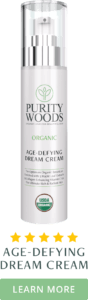 While most discussions about glyphosate focus on food and agriculture, personal care products are another hidden source of exposure that many people overlook. Since glyphosate is widely used on non-organic crops like soy, corn, and cotton, residues can make their way into skincare products that contain these ingredients. And because your skin absorbs what you put on it, avoiding glyphosate in personal care is just as important as avoiding it in food.
This is why choosing USDA Certified Organic skincare—like Purity Woods Dream Cream—is such a powerful decision.
Why Purity Woods Dream Cream Is a Safer Choice
Unlike most conventional moisturizers, which often contain pesticide-contaminated plant extracts, synthetic preservatives, and endocrine-disrupting chemicals, Purity Woods’ Age-Defying Dream Cream is USDA Certified Organic.
The Age-Defying Dream Cream utilizes nature’s most potent ingredients to combat the appearance of fine lines, wrinkles, age spots, and dull- and loose-looking skin like nothing else out there. Yes, it is made with plant-based ingredients that are free from glyphosate, pesticides, or synthetic toxins. It is highly effective for all skin types, won’t clog pores, and, in addition to its rare USDA Certified Organic status, it is a cruelty-free formula that is NEVER tested on animals.
By switching to a USDA Certified Organic anti-aging cream like Purity Woods Dream Cream, you provide nature’s most powerful botanicals for your youngest-looking skin while avoiding glyphosate and many other chemicals that can harm you.
Head here right now to find out more and to try it with today’s special discount and FREE U.S. shipping if interested!
wonderful article
thank you
jan
wonderful article
very informative, and thank you so much
Jan
SPREAD THE WORD… GLPST IS A DIRTY WORD…. AVOID AT ALL COST.
What I didn’t say about ammonium sulphamate, or root out, is that it breaks down to ammonium sulphate. In UK it is allowed for helping roots to rot and compost heaps. But I recommend you use your imagination and try experimenting for other uses.
Bayer, a German based conglomerate, is not permitted to sell glyphosate in Germany. That’s really all you need to know about this very dangerous toxin. Americans are being poisoned by this product every single day. US politicians are bought and paid for by Bayer.
Great information.Thank you. Where can a person get a urine testing kit to test for glyphosate? I live in Canada but live near the US border.
Thank You for this wonderful informative article!
TRIPLE THANK YOUS!
Why Not use 1 Gallone vinegar, Cup of Salt Mixed with squirt of dishsoap. Works wonders until next year. Save my neighbors lives, my pet and me. Very affordable & it works
Thank you for this article on glyphosate. Informative and in depth.
I so appreciate a concise article without having to sign up for a conference. As much as I would value the information put forth by many of the researchers and experts, I do not want to take the time to partake. Thank you that I was able to read this with one click and not have it go on and on.
I agree. Thank you Brian for another interesting/informational read. And giving points of effective choices is Appreciated. And one can move on educated but not agitated at the presenter. (Dad joke is a smile bonus-thank you)
Dear Sir:-
It is ome of the greatest reports I have read. Thank you for your effort in teaching enterested
people. Go ahead and expose similar cases.
WOW! Wish everyone would read this very informative article & believe it. Thank you for providing this crucial information. And yes, I use your Purity Woods skin care products. I love them all & so glad I found them. Thanks for promoting great health ideas & for having a company with such care & concern for all.
Thank you for this important information.
why can’t I share this? By not allowing me to do so you’re not very bright. People I know who refuse to believe me about ehat you’ve just posted won’t search or Google you. if I can share it they will want to read it. I won’t buy anymore of your products until you allow me to share your articles.
Hi Chris, you certainly can feel free to share it. Not sure if you are referring to something not working, but one easy way is to copy and paste the link in your browser and share it.
really informative. nice not to have to listen to the usual hour long , repetitive blog to find it is all a sales pitch again for a product.
Thank you for this very informative article. At 71 years of age, it saddens me to look back at all of the missed opportunities for making positive change in this country, and how the current administration is trying to un-do the efforts to effect positive change in the past. I feel for those trying to raise healthy, robust children in these most challenging times. I do retain hope that we humans can see the error of our ways while change is still possible. Keep up your good work and, again, thank you for your efforts….and for caring.
thanks Brian its a big eye opener. Iiving in Australia i have heard it is toxic, not in so many items though thanks again and keep up the good research you do that help so many of us..god bless.🫶
Thank you Brian for sharing the informative article on GLYPHOSATE.- it’s usage, contamination & preventive measures.
Thank you – for a thorough review of glyphosate. I am sure the benefactors of Monsanto feed their kids organic!
Great article Brian, We don’t live in the U.S.A. We live in the U.K. another country which hasn’t as yet banned GlYphosate, but I do grow as much fruit and veg as I can. Feed the stock on ‘straight feeds’ the dogs on raw food with eggs from our chickens and fruit and veg rather than commercial food our water is from a spring but is still filtered. I try so hard to feed us all with healthy food. Another thing we avoid is artificial sweeteners.
thank you for this analysis of the effects of glyphosate. I am very sensitive to it so eat organically where I can. it’s also important to remember the downstream effects, e g. I must ensure that chickens, eggs, meat are all from organic sources as they are often fed grain- based diets. Beer is another downstream product from grains so must be organic – I brew my own.
Also, THANK you for staying with helping us regular human beings.
Brian you are unique and wonderful!
What a kind thing to say… thank you Angie!