

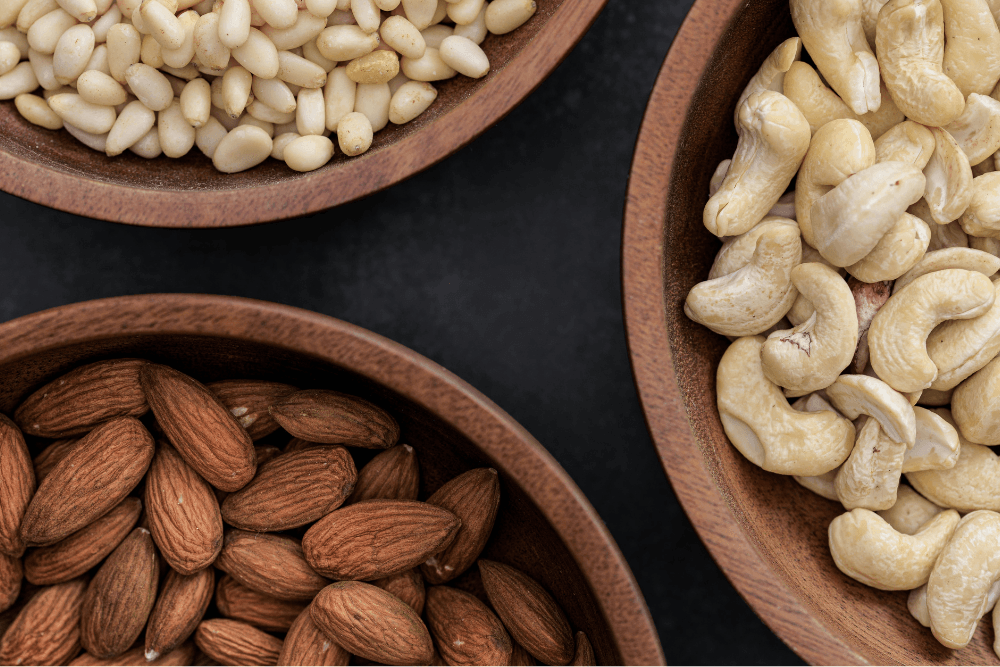
You know that nuts are good for you. But have you heard of sprouted nuts? This ancient preparation technique is having a serious comeback, and takes an already-impressive food and makes it even more powerful for your health, your digestion, and yes, your longevity.
If you’re someone who cares about aging well, this is one snack upgrade worth knowing about.
What Are Sprouted Nuts?
 Sprouted nuts are raw nuts that have been soaked in water long enough to initiate the germination process, the very first stage of a seed “waking up” and beginning to grow. Most sprouted nuts are soaked for 3 to 12 hours, which is typically enough to begin unlocking nutrients and activating beneficial enzymes that would otherwise be dormant.
The practice of soaking, sprouting, and fermenting seeds isn’t new. Cultures across East Asia, the Middle East, and Europe have used these techniques for thousands of years, and modern nutrition science is beginning to explain why. What ancient food traditions understood intuitively, researchers are now confirming in peer-reviewed studies: the way you prepare your food matters just as much as what you eat.
Think of sprouting as turning a key. The nut already contains everything it needs to nourish you, but without that activation step, much of it stays locked away. Sprouting turns the key.
5 Science-Backed Benefits of Sprouted Nuts
1. Better Mineral Absorption
 Nuts are already rich in essential minerals:
-Zinc for immune function and skin repair
-Magnesium for sleep and metabolism
-Iron for sustained energy
-Calcium for strong bones
Sprouting amplifies your body’s ability to absorb and utilize all of them.
Research confirms that germination directly increases the bioavailability of these key minerals, with improvements significant enough to matter clinically, particularly for people following plant-based diets.
A comprehensive review found that sprouting increased the availability of minerals, including iron, calcium, zinc, and magnesium — nutrients that are abundant in nuts but can be difficult for the body to fully access without this preparation step.
This matters more than most people realize. You can eat a nutritious diet and still come up short on essential minerals if your body isn’t absorbing them efficiently. Sprouting is one of the simplest, most natural ways to close that gap.
In short, sprouting helps you get more out of every handful.
2. Improved Digestibility
 One of the most common complaints about eating nuts regularly? Digestive discomfort — bloating, heaviness, or GI irritation. Enzyme inhibitors in raw nuts are a major culprit, as they interfere with your body’s ability to break down food properly.
Sprouting deactivates these enzyme inhibitors and activates the nut’s own naturally occurring enzymes. The result is a food your body can process more efficiently, with less strain on your digestive system.
This is particularly meaningful as we age. Digestive enzyme production naturally declines over time, which means the foods that once felt fine can start to feel heavier and harder to process. By choosing sprouted nuts, you’re giving your digestive system a gentler, more bioavailable form of the same nutrition. Many people who have given up on nuts due to discomfort find they can enjoy sprouted varieties without any issue at all.
3. Enhanced Antioxidant Activity
 Nuts are already rich in antioxidants, particularly polyphenols and vitamin E, that fight oxidative stress, one of the primary drivers of cellular aging. Sprouting appears to further unlock and amplify this antioxidant potential.
A major review on the anti-aging potential of tree nuts found that their bioactive compounds (including polyphenols, phytosterols, and healthy fatty acids) work synergistically to prevent and delay age-related diseases, including cardiovascular disease, type 2 diabetes, stroke, certain cancers, and neurodegenerative disease.
These compounds act as direct and indirect antioxidants, reduce the inflammatory response, improve proteostasis and mitochondrial biogenesis, and prevent cell senescence.
To put that in plain terms: the nutrients in nuts help protect your cells from the kind of wear and tear that accelerates aging. They support the processes that keep your cells functioning properly, reduce the damage caused by free radicals, and may even help prevent the cellular “senescence” that contributes to aging at the biological level.
When sprouting increases the bioavailability of these compounds, you’re getting more of these protective benefits per handful.
4. Cardiovascular and Longevity Benefits
 The evidence for nuts and heart health, and even lifespan, is among the most robust in nutrition science.
A landmark study tracked over 118,000 men and women across two major cohort studies and found a significant, dose-dependent inverse relationship between nut consumption and total mortality.
People who ate nuts more frequently had meaningfully lower risk of dying from heart disease, cancer, and respiratory disease. Eating nuts seven or more times per week was associated with a 20% lower death rate compared to those who never ate nuts.
A separate clinical review concluded that increased consumption of nuts clearly impacts many risk factors related to aging and can extend health span and lifespan.
Sprouted nuts make it easier and more enjoyable to eat nuts consistently, which is where the real longevity benefits accumulate.
5. Powerful Anti-Inflammatory Support
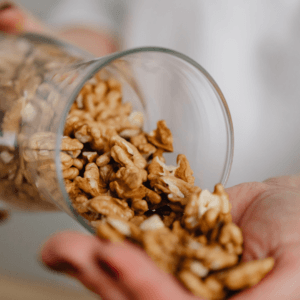 Chronic low-grade inflammation is one of the most significant drivers of accelerated aging, affecting everything from joint health to skin quality to cognitive decline. It’s sometimes called “inflammaging,” the slow burn of inflammation that accumulates with age.
The healthy fats found in nuts (particularly omega-3s in walnuts and monounsaturated fats in almonds and macadamias) are well-established anti-inflammatory agents.
A systematic review found that diets rich in nuts, along with vegetables, fruits, and unsaturated fats, reduced cardiovascular disease risk and protected the brain from aging-related damage.
Sprouting enhances the bioavailability of these anti-inflammatory compounds, making every serving work harder for you.
Which Nuts Are Commonly Sprouted?
Almost any raw nut can be sprouted, but some of the most popular include:
- Almonds — high in vitamin E, magnesium, and calcium
- Walnuts — rich in omega-3 ALA and polyphenols
- Cashews — good source of zinc and copper
- Pecans — loaded with antioxidants
- Macadamia nuts — excellent monounsaturated fat profile
- Brazil nuts — exceptional source of selenium
Each of these nuts brings its own nutrient profile to the table, and each benefits from the sprouting process in terms of improved digestibility and bioavailability.
How to Sprout Your Own Nuts
Sprouting nuts at home is simpler than it sounds. All you need is a bowl, fresh water, and a little patience. Here’s how to do it:
1. Start with raw, organic nuts. Roasted or salted nuts won’t sprout. You need truly raw nuts, ideally USDA Certified Organic, to get the full benefit.
2. Rinse thoroughly. Give your nuts a good rinse under cool running water before soaking to remove any surface debris.
3. Soak in filtered water. Place the nuts in a bowl and cover with 2–3 inches of filtered water. Most nuts need 6–12 hours of soaking. Softer nuts like cashews need less time (4–6 hours); harder nuts like almonds benefit from a full 12 hours.
4. Drain and rinse again. Once soaked, drain and rinse the nuts well. At this point, they’re technically sprouted and ready to eat.
5. Dry them out (optional but recommended). Wet nuts are perishable and can harbor bacteria if left at room temperature. For the best texture and longest shelf life, spread them on a baking sheet and dry them in your oven or a dehydrator at the lowest possible temperature — ideally 115–150°F — for 12–24 hours until they’re completely dry and slightly crispy again. This low-and-slow drying preserves the enzymes and heat-sensitive vitamins activated during sprouting.
6. Store properly. Once dried, store your sprouted nuts in an airtight container in a cool, dark place for up to a month — or in the refrigerator for longer freshness.
A few tips: change the soaking water if you’re going beyond 8 hours, and always make sure nuts are fully dry before sealing them in a container to prevent mold. If you notice any off smells during soaking, discard and start fresh.
The process does take some planning ahead, which is why many people find it easier to simply keep a quality sprouted nut brand on hand for everyday snacking.
My Top Recommendation: Start With Rich Nuts
 If you’re ready to experience the benefits of sprouted nuts without the hassle of doing it yourself at home, Rich Nuts is worth a serious look.
Rich Nuts specializes in premium USDA Certified Organic sprouted nuts — carefully soaked and prepared to maximize nutrient bioavailability while delivering exceptional flavor.
With six delicious flavors like Maple Pecan, Cinnamon Walnut Crunch, Savory Sage, and Go Nuts & Berries (my favorite!) these nuts are just as delicious as they are good for you.
Whether you’re new to sprouted nuts or already a convert, Rich Nuts offers a convenient, delicious way to incorporate this anti-aging snack into your daily routine. Your gut, your cells, and your future self will thank you.
Thanks I will try them. 🙂
informative and concise.
Thank you so much! Explaining the benefits of sprouted nuts and how they “turn the key” is very interesting and helpful. I have difficulties with digestion so am looking forward to trying them. Thanks also for the link to Rich Nuts. It’s amazing how all of this information is not more “mainstream.”
Informative article…
Thank you! I appreciate your information although I don’t often leave comments. By the way, your jokes always make me smile! 🙂
I will give them a try.
After you soak them, they make an instant creamy and delicious nut milk when blended.